Bills · HR 878
IN COMMITTEE· 119TH CONGRESS
House BillHR 878GuamU.S. territories and protectorates
Katrina and Leslie Schaller Act
INTRO JAN 31· LAST ACTION JAN 31
READING
2MIN
COSPONSORS
0
READER REACTIONS0 TOTAL
NO VOTES YET · BE THE FIRST
- Introduced only
LEGISLATIVE PROGRESS
STEP 2 / 8Introduced
In Committee
Reported
Passed House
Passed Senate
Conference
To President
Became Law
WHAT THE BILL DOES
AI-writtenThis bill matters because it addresses a long-standing difference in how federal benefits are distributed to U.S. citizens living in territories compared to those in states. If passed, it would extend a vital social safety net to some of Guam's most vulnerable residents, potentially reducing poverty and improving living conditions for low-income seniors, the blind, and people with disabilities. Without this bill, these citizens in Guam would continue to be excluded from a program that provides essential financial assistance to their counterparts in the mainland U.S.
It would also impact the federal budget by increasing expenditures for the SSI program and other social welfare programs in Guam. The change reflects a broader discussion about equal rights and benefits for all U.S. citizens, regardless of where they live within U.S. jurisdiction.
KEY PROVISIONS
5AI-extractedPROVISION 01
Extends the Supplemental Security Income (SSI) program to Guam.
This makes low-income elderly, blind, and disabled residents in Guam eligible for federal cash benefits for the first time.
PROVISION 02
Removes federal funding caps on certain social welfare programs for Guam.
This ensures Guam can receive more federal support for these programs, similar to how states are funded.
PROVISION 03
Includes Guam in the geographic definition of the United States for the SSI program.
This is a direct legal change necessary to allow SSI benefits to be provided in Guam.
PROVISION 04
Grants the Commissioner of Social Security the authority to modify SSI program rules for Guam.
This allows the program to be adapted to the specific needs and conditions of Guam, ensuring smoother implementation.
PROVISION 05
Specifies that the changes take effect on the first day of the first federal fiscal year that begins one year or more after the bill becomes law.
This provides a clear timeline for implementation and gives the Social Security Administration time to prepare.
SPONSORSHIP
1 + 0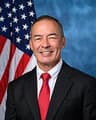
R· Guam
YRS IN OFFICE
3
BILLS LED
31
ACTION TIMELINE
2 EVENTSJAN 31
Introduced in House
JAN 31
Referred to the House Committee on Ways and Means.
BILL INFO
TypeHouse Bill
NumberHR 878
Congress119th
StatusIn Committee
IntroducedJan 31, 2025
Last actionJan 31, 2025
READER REACTIONS
OVERALL SENTIMENT
No reactions yet. Be the first to weigh in.
Discussion
Loading comments...
IN COMMITTEE· 119TH CONGRESS · WAYS AND MEANS COMMITTEE · INTRODUCED JAN 31, 2025
House BillHR 878GuamU.S. territories and protectorates
Katrina and Leslie Schaller Act
INTRODUCED JAN 31, 2025· LAST ACTION JAN 31, 2025
PASSAGE CHANCES
—%
READING
2 min
COSPONSORS
0
COMPLEXITY
Moderate