Bills · HR 830
IN COMMITTEE· 119TH CONGRESS
House BillHR 830Licensing and registrationsResearch administration and funding
SAFE Act
INTRO JAN 31· LAST ACTION JAN 31
READING
25MIN
COSPONSORS
17
READER REACTIONS0 TOTAL
NO VOTES YET · BE THE FIRST
- Introduced only
LEGISLATIVE PROGRESS
STEP 2 / 8Introduced
In Committee
Reported
Passed House
Passed Senate
Conference
To President
Became Law
WHAT THE BILL DOES
AI-writtenThis bill matters because it's a direct response to the ongoing opioid crisis, where new fentanyl variants constantly emerge and evade existing drug laws. By broadly classifying "fentanyl-related substances," the government aims to quickly bring new, dangerous synthetic opioids under control without needing to pass new laws for each individual variant. This could help law enforcement combat the spread of these substances more effectively, potentially saving lives.
However, the bill also attempts to address concerns about harsh sentencing by removing mandatory minimums for the *broad class* of fentanyl-related substances, allowing judges more flexibility. This could lead to more individualized justice for lower-level offenders while still ensuring severe penalties for major traffickers of fentanyl itself. If this bill becomes law, we'd see a shift in drug enforcement strategy towards these substances, with potentially broader legal reach but also a nuanced approach to sentencing, which could impact conviction rates and prison populations.
KEY PROVISIONS
4AI-extractedPROVISION 01
Automatically places a broad category of "fentanyl-related substances" into Schedule I of the Controlled Substances Act.
This ensures that new chemical variants of fentanyl are illegal as soon as they emerge, without needing new legislation for each one.
PROVISION 02
Exempts these broadly defined fentanyl-related substances from quantity-based mandatory minimum penalties.
This gives judges more flexibility in sentencing individuals involved with these substances, preventing automatic long prison terms based solely on drug amount.
PROVISION 03
Updates the specific quantity thresholds for mandatory minimum penalties for trafficking fentanyl and specific fentanyl analogues.
This maintains severe, quantity-based mandatory penalties for the most potent forms of fentanyl and its closest chemical relatives, targeting major traffickers.
PROVISION 04
Establishes a process for the Secretary of Health and Human Services to recommend removing or rescheduling fentanyl-related substances from Schedule I.
This provides a mechanism for scientific review to ensure substances are appropriately controlled or decontrolled based on their actual abuse potential.
SPONSORSHIP
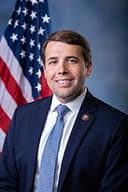
1 + 17
D· New Hampshire
YRS IN OFFICE
7
BILLS LED
56
COSPONSOR BREAKDOWNBIPARTISAN · 35%
DEM 14 REP 3 IND 0
ACTION TIMELINE
2 EVENTSJAN 31
Introduced in House
JAN 31
Referred to the Committee on Energy and Commerce, and in addition to the Committee on the Judiciary, for a period to be subsequently determined by the Speaker, in each case for consideration of such provisions as fall within the jurisdiction of the committee concerned.
BILL INFO
TypeHouse Bill
NumberHR 830
Congress119th
StatusIn Committee
IntroducedJan 31, 2025
Last actionJan 31, 2025
READER REACTIONS
OVERALL SENTIMENT
No reactions yet. Be the first to weigh in.
Discussion
Loading comments...
IN COMMITTEE· 119TH CONGRESS · JUDICIARY COMMITTEE · INTRODUCED JAN 31, 2025
House BillHR 830Licensing and registrationsResearch administration and funding
SAFE Act
INTRODUCED JAN 31, 2025· LAST ACTION JAN 31, 2025
PASSAGE CHANCES
—%
READING
25 min
COSPONSORS
17
COMPLEXITY
Moderate