Bills · HR 8234
IN COMMITTEE· 119TH CONGRESS
House BillHR 8234Health
Save Money, Save Lives Act
This bill removes the requirement that certain experimental state Medicaid programs must not increase federal spending, making it easier for states to fund new types of healthcare services.AI-written
INTRO APR 9· LAST ACTION APR 9
READING
1MIN
COSPONSORS
1
READER REACTIONS0 TOTAL
NO VOTES YET · BE THE FIRST
- Introduced only
tl;dr
AI-writtenEliminates the requirement for certain state Medicaid experiments to be 'budget neutral,' allowing states to spend more federal money on innovative health programs without having to prove they will save money elsewhere.
LEGISLATIVE PROGRESS
STEP 2 / 8Introduced
In Committee
Reported
Passed House
Passed Senate
Conference
To President
Became Law
WHAT THE BILL DOES
AI-writtenVoters should care about this because it represents a shift in how the government prioritizes health versus spending. Under current rules, a state might have a great idea to reduce homelessness or treat addiction through Medicaid, but if they can't prove it will be 'cheaper' than the current system, the federal government can block it. This bill prioritizes the ability to innovate and provide care over strict cost-containment.
However, this change also has fiscal implications. Without the 'budget neutrality' requirement, the federal deficit could increase because the government would be paying for new services without requiring states to find savings elsewhere. It is a trade-off between potentially better health outcomes for the vulnerable and higher national spending on healthcare.
KEY PROVISIONS
3AI-extractedPROVISION 01
Repeals the budget neutrality requirement for Medicaid demonstration projects.
It removes the fiscal 'handcuffs' that prevent states from spending more on innovative healthcare experiments.
PROVISION 02
Rescinds specific funding from a previous reconciliation act.
It claws back money that was likely intended for the administration or enforcement of the now-repealed budget rules.
PROVISION 03
Restores the original application of Section 1115 of the Social Security Act.
It ensures that the broad authority to waive federal rules for state experiments continues without the specific restrictions added by Public Law 119-21.
SPONSORSHIP
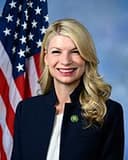
1 + 1
D· Colorado
YRS IN OFFICE
3
BILLS LED
44
COSPONSOR BREAKDOWNBIPARTISAN · 0%
DEM 0 REP 1 IND 0
ACTION TIMELINE
2 EVENTSAPR 9
Introduced in House
APR 9
Referred to the House Committee on Energy and Commerce.
BILL INFO
TypeHouse Bill
NumberHR 8234
Congress119th
StatusIn Committee
IntroducedApr 9, 2026
Last actionApr 9, 2026
READER REACTIONS
OVERALL SENTIMENT
No reactions yet. Be the first to weigh in.
Discussion
Loading comments...
IN COMMITTEE· 119TH CONGRESS · ENERGY AND COMMERCE COMMITTEE · INTRODUCED APR 9, 2026
House BillHR 8234Health
Save Money, Save Lives Act
This bill removes the requirement that certain experimental state Medicaid programs must not increase federal spending, making it easier for states to fund new types of healthcare services.AI-written
INTRODUCED APR 9, 2026· LAST ACTION APR 9, 2026
PASSAGE CHANCES
—%
READING
1 min
COSPONSORS
1
COMPLEXITY
Moderate