Bills · HR 8163
REPORTED· 119TH CONGRESS
House BillHR 8163MedicareBudget process
Provider Reimbursement Stability Act of 2026
This bill aims to stabilize Medicare payments to doctors by updating old spending limits and ensuring payment rates reflect the actual cost of modern medical care.AI-written
INTRO MAR 30· LAST ACTION MAY 21
PASSAGE CHANCESUNCERTAIN
20%
READING
6MIN
COSPONSORS
78BIPARTISAN
READER REACTIONS0 TOTAL
NO VOTES YET · BE THE FIRST
- Introduced only
tl;dr
AI-writtenRaises the threshold for automatic Medicare pay cuts and requires the government to use current market prices for medical supplies and wages when calculating what it pays doctors.
LEGISLATIVE PROGRESS
STEP 3 / 8Introduced
In Committee
Reported
Passed House
Passed Senate
Conference
To President
Became Law
WHAT THE BILL DOES
AI-writtenFor years, healthcare providers have complained that Medicare payment rates haven't kept up with the rising costs of running a clinic. If payments are too low, doctors may stop accepting Medicare patients or retire early, which makes it harder for people to get medical care. This bill is designed to provide more predictable pay for doctors and prevent the sudden, large pay cuts that often happen due to outdated government accounting rules.
KEY PROVISIONS
4AI-extractedPROVISION 01
Increases the budget neutrality threshold from $20 million to $54.3 million in 2027.
The $20 million limit has not changed since 1992; raising it prevents minor spending increases from triggering massive, system-wide pay cuts.
PROVISION 02
Requires the government to update the prices of medical supplies, equipment, and staff wages at least once every five years.
This ensures that Medicare payments are based on what things actually cost today rather than prices from a decade ago.
PROVISION 03
Caps the annual change in the Medicare payment multiplier at 2.5 percent.
This prevents 'sticker shock' for medical practices by ensuring their base pay rate doesn't drop drastically in a single year.
PROVISION 04
Creates a 'look-back' mechanism to correct instances where the government's guesses about how often a service would be used were wrong.
It forces the government to use actual data from two years prior to fix payment errors caused by bad initial estimates.
SPONSORSHIP
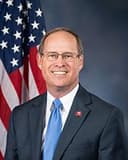
1 + 78
R· North Carolina
YRS IN OFFICE
7
BILLS LED
40
COSPONSOR BREAKDOWNBIPARTISAN · 67%
DEM 52 REP 26 IND 0
ACTION TIMELINE
6 EVENTSMAY 21
Committee Consideration and Mark-up Session Held
MAY 21
Ordered to be Reported in the Nature of a Substitute by the Yeas and Nays: 44 - 0.
MAR 30
Introduced in House
MAR 30
Referred to the Committee on Energy and Commerce, and in addition to the Committee on Ways and Means, for a period to be subsequently determined by the Speaker, in each case for consideration of such provisions as fall within the jurisdiction of the committee concerned.
BILL INFO
TypeHouse Bill
NumberHR 8163
Congress119th
StatusReported
IntroducedMar 30, 2026
Last actionMay 21, 2026
READER REACTIONS
OVERALL SENTIMENT
No reactions yet. Be the first to weigh in.
Discussion
Loading comments...
REPORTED· 119TH CONGRESS · ENERGY AND COMMERCE COMMITTEE · INTRODUCED MAR 30, 2026
House BillHR 8163MedicareBudget process
Provider Reimbursement Stability Act of 2026
This bill aims to stabilize Medicare payments to doctors by updating old spending limits and ensuring payment rates reflect the actual cost of modern medical care.AI-written
INTRODUCED MAR 30, 2026· LAST ACTION MAY 21, 2026
PASSAGE CHANCES
20%
READING
6 min
COSPONSORS
78
COMPLEXITY
Moderate