Bills · HR 7917
IN COMMITTEE· 119TH CONGRESS
House BillHR 7917Labor and Employment
Fair Wages for Home Care Workers Act
INTRO MAR 12· LAST ACTION MAR 12
READING
3MIN
COSPONSORS
83
READER REACTIONS0 TOTAL
NO VOTES YET · BE THE FIRST
- Introduced only
LEGISLATIVE PROGRESS
STEP 2 / 8Introduced
In Committee
Reported
Passed House
Passed Senate
Conference
To President
Became Law
WHAT THE BILL DOES
AI-writtenThis bill matters because it addresses a long-standing issue of low pay and lack of basic labor protections for a vital segment of the workforce. Many home care workers, who provide essential services to seniors and people with disabilities, currently earn low wages and often work long hours without overtime pay because of outdated exemptions in federal law. If this bill passes, these workers would receive fairer compensation, which could improve their financial stability and acknowledge the value of their demanding work.
If the bill does not pass, these workers would continue to be subject to the existing exemptions, meaning many would remain without federal minimum wage and overtime protections. This could perpetuate high turnover rates in the home care industry and make it harder to attract and retain qualified caregivers at a time when demand for these services is growing rapidly due to an aging population.
KEY PROVISIONS
4AI-extractedPROVISION 01
Removes the exemption from minimum wage and overtime for employees providing companionship services to the elderly or infirm.
This ensures that many home care workers who assist seniors and people with disabilities will receive federal minimum wage and overtime pay.
PROVISION 02
Clarifies that the exemption for 'domestic service employment' on a 'casual basis' applies only to babysitting services.
This closes a loophole that allowed some home care workers to be classified as 'domestic service' and thus be exempted from federal wage protections.
PROVISION 03
Defines 'babysitting services' to specifically exclude trained personnel like nurses and home care workers (home health aides, personal care aides).
This prevents professional caregivers from being misclassified as babysitters to avoid paying them minimum wage and overtime.
PROVISION 04
Repeals the exemption for live-in domestic service employees from overtime pay.
This ensures that domestic workers who live in the homes where they work are also eligible for overtime wages, acknowledging their often extensive hours.
SPONSORSHIP
1 + 83
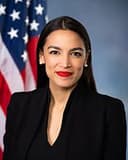
D· New York
YRS IN OFFICE
7
BILLS LED
10
COSPONSOR BREAKDOWNBIPARTISAN · 0%
DEM 83 REP 0 IND 0
ACTION TIMELINE
2 EVENTSMAR 12
Introduced in House
MAR 12
Referred to the House Committee on Education and Workforce.
BILL INFO
TypeHouse Bill
NumberHR 7917
Congress119th
StatusIn Committee
IntroducedMar 12, 2026
Last actionMar 12, 2026
READER REACTIONS
OVERALL SENTIMENT
No reactions yet. Be the first to weigh in.
Discussion
Loading comments...
IN COMMITTEE· 119TH CONGRESS · EDUCATION AND WORKFORCE COMMITTEE · INTRODUCED MAR 12, 2026
House BillHR 7917Labor and Employment
Fair Wages for Home Care Workers Act
INTRODUCED MAR 12, 2026· LAST ACTION MAR 12, 2026
PASSAGE CHANCES
—%
READING
3 min
COSPONSORS
83
COMPLEXITY
Moderate