Bills · HR 7892
PASSED HOUSE· 119TH CONGRESS
House BillHR 7892Student aid and college costsComputers and information technology
No Aid for Ghost Students Act of 2026
INTRO MAR 12· LAST ACTION JUN 11
READING
5MIN
COSPONSORS
4
READER REACTIONS0 TOTAL
NO VOTES YET · BE THE FIRST
- Reported, not passed
LEGISLATIVE PROGRESS
STEP 4 / 8Introduced
In Committee
Reported
Passed House
Passed Senate
Conference
To President
Became Law
WHAT THE BILL DOES
AI-writtenThis bill matters because it aims to prevent federal student financial aid from being misused through identity fraud, ensuring that taxpayer money and financial assistance are distributed to legitimate students. Currently, instances of identity fraud can lead to significant losses for federal programs and make it harder for real students to access the aid they need.
If this bill becomes law, it would introduce a new layer of security and verification to the financial aid process, potentially reducing fraud. This could mean a more secure system for distributing aid, but it could also introduce more steps for students and colleges, potentially causing delays for some applicants. If it doesn't become law, the current verification processes would remain, potentially leaving federal financial aid programs more vulnerable to identity fraud.
KEY PROVISIONS
4AI-extractedPROVISION 01
Requires the Department of Education to use an identity fraud detection system to review every FAFSA submitted on or after October 1, 2026.
This establishes a mandatory, systematic approach to proactively identify potential identity fraud in federal student aid applications.
PROVISION 02
Mandates that if an application shows reasonable suspicion of identity fraud, the Department must notify both the applicant and the designated colleges.
This ensures transparency with the applicant and alerts colleges to the need for further identity verification before disbursing funds.
PROVISION 03
Prohibits colleges from disbursing federal financial aid to flagged applicants unless the college confirms the applicant's identity through in-person or live video verification.
This creates a critical safeguard at the point of aid disbursement, shifting responsibility for final identity confirmation to the institutions.
PROVISION 04
Requires the Department of Education to establish guidelines for colleges on how to carry out these identity verification procedures by October 1, 2026.
This ensures consistent and clear standards for colleges, helping them implement the new verification requirements effectively.
SPONSORSHIP
1 + 4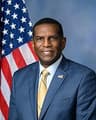
R· Utah
YRS IN OFFICE
5
BILLS LED
28
COSPONSOR BREAKDOWNBIPARTISAN · 0%
DEM 0 REP 4 IND 0
ACTION TIMELINE
21 EVENTSJUN 11
Received in the Senate and Read twice and referred to the Committee on Health, Education, Labor, and Pensions.
JUN 10
Considered as unfinished business. (consideration: CR H4076-4077)
JUN 10
Passed/agreed to in House: On passage Passed by the Yeas and Nays: 249 - 172 (Roll no. 217).
JUN 10
On passage Passed by the Yeas and Nays: 249 - 172 (Roll no. 217).
BILL INFO
TypeHouse Bill
NumberHR 7892
Congress119th
StatusPassed House
IntroducedMar 12, 2026
Last actionJun 11, 2026
READER REACTIONS
OVERALL SENTIMENT
No reactions yet. Be the first to weigh in.
Discussion
Loading comments...
PASSED HOUSE· 119TH CONGRESS · EDUCATION AND WORKFORCE COMMITTEE · INTRODUCED MAR 12, 2026
House BillHR 7892Student aid and college costsComputers and information technology
No Aid for Ghost Students Act of 2026
INTRODUCED MAR 12, 2026· LAST ACTION JUN 11, 2026
PASSAGE CHANCES
—%
READING
5 min
COSPONSORS
4
COMPLEXITY
Moderate