Bills · HR 7860
IN COMMITTEE· 119TH CONGRESS
House BillHR 7860Health
Stop ACA Enrollment Fraud Act of 2026
INTRO MAR 9· LAST ACTION MAR 9
READING
3MIN
COSPONSORS
0
READER REACTIONS0 TOTAL
NO VOTES YET · BE THE FIRST
- Introduced only
LEGISLATIVE PROGRESS
STEP 2 / 8Introduced
In Committee
Reported
Passed House
Passed Senate
Conference
To President
Became Law
WHAT THE BILL DOES
AI-writtenVoters should care about this bill because it aims to improve the integrity and fairness of the ACA health insurance marketplaces. By preventing duplicate enrollments, it could save taxpayer money by stopping the improper payment of premium tax credits. This means less government spending on redundant health coverage subsidies.
Requiring direct consent for agent and broker enrollments addresses concerns about potential fraud or unauthorized sign-ups, which could leave individuals unknowingly enrolled in plans they didn't choose or incur unexpected costs. If this bill becomes law, consumers will have an extra layer of protection, ensuring they truly agree to their health plans. If it doesn't pass, the current system remains, leaving open the possibility of duplicate subsidy payments and less direct consumer control over agent-assisted enrollments.
KEY PROVISIONS
4AI-extractedPROVISION 01
The Secretary of Health and Human Services must create a process to identify if a Social Security number (SSN) is used to enroll in more than one health plan on an Exchange for the same period.
This aims to catch and prevent individuals from receiving duplicate government financial help for health insurance.
PROVISION 02
If duplicate SSNs are found for enrollments in the same period, the Secretary must take steps to ensure that no duplicate advance payments of premium tax credits are made.
This directly stops improper payments and conserves taxpayer funds.
PROVISION 03
For plan years starting on or after January 1, 2027, enrollments made through an agent or broker for an ACA Exchange plan must have direct consent from the individual or employer.
This protects consumers from unauthorized enrollments or changes made by agents or brokers.
PROVISION 04
The Secretary must establish a specific mechanism for individuals or employers to give this direct consent, and agents or brokers cannot simply attest that consent was given.
This ensures that consent is genuine and directly provided by the consumer, not just reported by the agent.
SPONSORSHIP
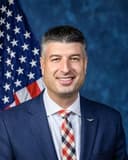
1 + 0
R· Michigan
YRS IN OFFICE
1
BILLS LED
53
ACTION TIMELINE
2 EVENTSMAR 9
Introduced in House
MAR 9
Referred to the Committee on Energy and Commerce, and in addition to the Committee on Ways and Means, for a period to be subsequently determined by the Speaker, in each case for consideration of such provisions as fall within the jurisdiction of the committee concerned.
BILL INFO
TypeHouse Bill
NumberHR 7860
Congress119th
StatusIn Committee
IntroducedMar 9, 2026
Last actionMar 9, 2026
READER REACTIONS
OVERALL SENTIMENT
No reactions yet. Be the first to weigh in.
Discussion
Loading comments...
IN COMMITTEE· 119TH CONGRESS · WAYS AND MEANS COMMITTEE · INTRODUCED MAR 9, 2026
House BillHR 7860Health
Stop ACA Enrollment Fraud Act of 2026
INTRODUCED MAR 9, 2026· LAST ACTION MAR 9, 2026
PASSAGE CHANCES
—%
READING
3 min
COSPONSORS
0
COMPLEXITY
Moderate