Bills · HR 7825
IN COMMITTEE· 119TH CONGRESS
House BillHR 7825Taxation
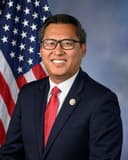
Doug LaMalfa Protect Innocent Victims of Taxation After Fire Extension Act
INTRO MAR 5· LAST ACTION MAR 5
READING
3MIN
COSPONSORS
8BIPARTISAN
READER REACTIONS0 TOTAL
NO VOTES YET · BE THE FIRST
- Introduced only
LEGISLATIVE PROGRESS
STEP 2 / 8Introduced
In Committee
Reported
Passed House
Passed Senate
Conference
To President
Became Law
WHAT THE BILL DOES
AI-writtenThe Americans most directly affected by this bill would be individuals who have suffered losses or damages due to a "qualified wildfire disaster" and receive compensation payments for those losses. This includes people who have lost homes, property, experienced personal injury, or incurred additional living expenses and lost wages because of a federally declared wildfire. The bill specifically covers disasters declared after December 31, 2014.
These individuals would benefit by not having to include these relief payments in their taxable income, meaning they would pay less in taxes and keep more of the money intended to help them recover. This relief would specifically apply to payments received starting in 2026 and ending in 2032.
KEY PROVISIONS
4AI-extractedPROVISION 01
Excludes "qualified wildfire relief payments" from an individual's gross income, meaning these payments are not taxed.
This ensures that wildfire victims can keep the full amount of aid they receive for recovery without it being reduced by income taxes.
PROVISION 02
Defines "qualified wildfire relief payment" as compensation for various losses (e.g., expenses, lost wages, personal injury, death, emotional distress) from a federally declared wildfire, but only if not covered by insurance.
This clarifies exactly what types of payments are eligible for the tax exclusion, focusing on direct impacts not otherwise compensated.
PROVISION 03
Specifies that the exclusion applies to payments for "qualified wildfire disasters" declared after December 31, 2014, and received after December 31, 2025, until December 31, 2032.
This sets the specific timeframe for which wildfires and received payments are eligible for this tax relief.
PROVISION 04
Prevents individuals from claiming a deduction or credit for any expenses that were already compensated by tax-free wildfire relief payments.
This "denial of double benefit" rule prevents people from getting two tax advantages for the same loss.
SPONSORSHIP
1 + 8
R· California
YRS IN OFFICE
2
BILLS LED
16
COSPONSOR BREAKDOWNBIPARTISAN · 100%
DEM 4 REP 4 IND 0
ACTION TIMELINE
2 EVENTSMAR 5
Introduced in House
MAR 5
Referred to the House Committee on Ways and Means.
BILL INFO
TypeHouse Bill
NumberHR 7825
Congress119th
StatusIn Committee
IntroducedMar 5, 2026
Last actionMar 5, 2026
READER REACTIONS
OVERALL SENTIMENT
No reactions yet. Be the first to weigh in.
Discussion
Loading comments...
IN COMMITTEE· 119TH CONGRESS · WAYS AND MEANS COMMITTEE · INTRODUCED MAR 5, 2026
House BillHR 7825Taxation
Doug LaMalfa Protect Innocent Victims of Taxation After Fire Extension Act
INTRODUCED MAR 5, 2026· LAST ACTION MAR 5, 2026
PASSAGE CHANCES
—%
READING
3 min
COSPONSORS
8
COMPLEXITY
Moderate