Bills · HR 7725
REPORTED· 119TH CONGRESS
House BillHR 7725State and local government operationsChild care and development
Stop Child Care Fraud Act of 2026
INTRO FEB 26· LAST ACTION APR 6
READING
2MIN
COSPONSORS
0
READER REACTIONS0 TOTAL
NO VOTES YET · BE THE FIRST
- Reported, not passed
LEGISLATIVE PROGRESS
STEP 3 / 8Introduced
In Committee
Reported
Passed House
Passed Senate
Conference
To President
Became Law
WHAT THE BILL DOES
AI-writtenVoters should care about this bill because it aims to make sure that federal money intended for child care assistance is used properly and goes to those who truly need it. If this bill becomes law, states will have to be more transparent and rigorous about how they prevent and deal with fraud within their child care subsidy programs. This could mean fewer taxpayer dollars are lost to waste, fraud, or abuse.
Without this bill, states might continue with varying levels of fraud prevention and accountability, potentially leading to more instances of misuse of funds. By requiring clearer, detailed plans for fighting fraud and verifying eligibility, the bill seeks to strengthen the integrity of a vital program that helps many working families afford child care, ultimately ensuring that more resources are available for legitimate needs.
KEY PROVISIONS
4AI-extractedPROVISION 01
Requires states to detail their internal checks and procedures for ensuring the integrity and accountability of their child care subsidy programs.
This provision aims to reduce the misuse of federal funds by making states outline their preventative measures.
PROVISION 02
Mandates states to describe their processes for investigating fraud, recovering fraudulent payments, and imposing penalties on individuals or providers involved in fraud.
This ensures states have clear steps for responding to fraud and recouping misused funds, holding wrongdoers accountable.
PROVISION 03
Requires states to outline their procedures for documenting and verifying the eligibility of both clients and child care providers.
This provision helps ensure that only eligible families and providers receive assistance, preventing abuse of the system.
PROVISION 04
Stipulates that states must explain how they use data from their own agencies and other state and local agencies that oversee child care providers.
Enhanced data sharing can help states identify patterns of fraud and cross-check information more effectively.
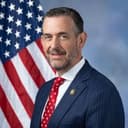
SPONSORSHIP
1 + 0
R· Ohio
YRS IN OFFICE
2
BILLS LED
21
ACTION TIMELINE
6 EVENTSAPR 6
Reported (Amended) by the Committee on Education and Workforce. H. Rept. 119-591.
APR 6
Placed on the Union Calendar, Calendar No. 511.
MAR 5
Committee Consideration and Mark-up Session Held
MAR 5
Ordered to be Reported (Amended) by the Yeas and Nays: 35 - 0.
BILL INFO
TypeHouse Bill
NumberHR 7725
Congress119th
StatusReported
IntroducedFeb 26, 2026
Last actionApr 6, 2026
READER REACTIONS
OVERALL SENTIMENT
No reactions yet. Be the first to weigh in.
Discussion
Loading comments...
REPORTED· 119TH CONGRESS · EDUCATION AND WORKFORCE COMMITTEE · INTRODUCED FEB 26, 2026
House BillHR 7725State and local government operationsChild care and development
Stop Child Care Fraud Act of 2026
INTRODUCED FEB 26, 2026· LAST ACTION APR 6, 2026
PASSAGE CHANCES
—%
READING
2 min
COSPONSORS
0
COMPLEXITY
Moderate