Bills · HR 7716
IN COMMITTEE· 119TH CONGRESS
House BillHR 7716Foreign Trade and International Finance
Tariff Free Farming Act
INTRO FEB 25· LAST ACTION FEB 25
READING
2MIN
COSPONSORS
8
READER REACTIONS0 TOTAL
NO VOTES YET · BE THE FIRST
- Introduced only
LEGISLATIVE PROGRESS
STEP 2 / 8Introduced
In Committee
Reported
Passed House
Passed Senate
Conference
To President
Became Law
WHAT THE BILL DOES
AI-writtenVoters should care about this bill because it directly impacts the cost of producing food in America, which in turn affects grocery prices. Farmers rely on a variety of imported goods, from fertilizer to tractor parts, to grow crops and raise livestock efficiently. If the cost of these essential 'inputs' goes up due to new tariffs, farmers often have to pass those costs on to consumers, leading to higher food prices for everyone.
If this bill becomes law, it would create certainty for farmers and agribusinesses by locking in current tariff rates for many agricultural inputs, preventing future administrations from imposing new, higher taxes on these goods. This could help stabilize food prices and support the financial health of American farms. If it doesn't become law, the government would retain the ability to impose new tariffs on these items, potentially leading to increased costs for farmers and higher food prices for consumers.
KEY PROVISIONS
3AI-extractedPROVISION 01
Prohibits the imposition of new tariffs on a wide range of agricultural inputs above the rates assessed as of January 19, 2025.
This provision aims to provide cost stability for farmers by preventing unexpected increases in the price of essential supplies due to new import taxes.
PROVISION 02
Applies this prohibition to imports from countries with which the United States has 'normal trade relations,' covering most of its trading partners.
This ensures that a significant portion of agricultural input imports are covered by the stable tariff rates, benefiting farmers who source from diverse global markets.
PROVISION 03
Specifies a comprehensive list of agricultural inputs covered, including seeds, fertilizers, chemicals, feed, fuel, machinery, building materials, and veterinary supplies.
By clearly defining the protected items, the bill ensures that a broad spectrum of critical farming necessities are shielded from new tariff increases.
SPONSORSHIP
1 + 8
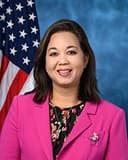
D· Hawaii
YRS IN OFFICE
3
BILLS LED
42
COSPONSOR BREAKDOWNBIPARTISAN · 0%
DEM 8 REP 0 IND 0
ACTION TIMELINE
2 EVENTSFEB 25
Introduced in House
FEB 25
Referred to the House Committee on Ways and Means.
BILL INFO
TypeHouse Bill
NumberHR 7716
Congress119th
StatusIn Committee
IntroducedFeb 25, 2026
Last actionFeb 25, 2026
READER REACTIONS
OVERALL SENTIMENT
No reactions yet. Be the first to weigh in.
Discussion
Loading comments...
IN COMMITTEE· 119TH CONGRESS · WAYS AND MEANS COMMITTEE · INTRODUCED FEB 25, 2026
House BillHR 7716Foreign Trade and International Finance
Tariff Free Farming Act
INTRODUCED FEB 25, 2026· LAST ACTION FEB 25, 2026
PASSAGE CHANCES
—%
READING
2 min
COSPONSORS
8
COMPLEXITY
Moderate