Bills · HR 7673
IN COMMITTEE· 119TH CONGRESS
House BillHR 7673Government Operations and Politics
To amend the Organic Act of Guam to provide an exception to the "public purpose" requirement for certain land transfers in the case of a transfer restoring such land to the original landowner or heirs, and for other purposes.
INTRO FEB 25· LAST ACTION FEB 25
READING
2MIN
COSPONSORS
0
READER REACTIONS0 TOTAL
NO VOTES YET · BE THE FIRST
- Introduced only
LEGISLATIVE PROGRESS
STEP 2 / 8Introduced
In Committee
Reported
Passed House
Passed Senate
Conference
To President
Became Law
WHAT THE BILL DOES
AI-writtenThis bill matters because it addresses a long-standing issue in Guam regarding ancestral land rights and the return of property that was originally taken by the U.S. government, often for military purposes, and is now considered 'excess.' For many families, this is a matter of historical justice and cultural heritage, allowing them to reconnect with their ancestral lands.
If this bill becomes law, it streamlines the process for returning land to original owners or their heirs by removing a significant bureaucratic hurdle. It also adds a critical national security layer to these land transfers, ensuring that while land is returned to private hands, any subsequent sale to foreign entities is scrutinized to protect U.S. interests, especially given Guam's strategic importance. Without this bill, the 'public purpose' requirement might continue to complicate or prevent such land restorations.
KEY PROVISIONS
3AI-extractedPROVISION 01
Exempts certain land transfers in Guam from the 'public purpose' requirement if the land is being returned to its original owner or their heirs.
This provision directly addresses a historical grievance by making it easier for ancestral lands to be returned to families in Guam.
PROVISION 02
Requires the Government of Guam to establish a process for these land returns and report it to Congress within 180 days.
This ensures there is a clear and transparent mechanism for landowners to reclaim their property once the law is enacted.
PROVISION 03
Mandates an automatic national security review by CFIUS for any future sale of this returned land by the individual owner to a foreign person (excluding foreign heirs).
This adds a safeguard to protect U.S. national security interests by scrutinizing foreign acquisitions of strategically important land.
SPONSORSHIP
1 + 0
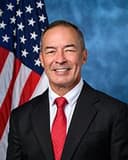
R· Guam
YRS IN OFFICE
3
BILLS LED
31
ACTION TIMELINE
2 EVENTSFEB 25
Introduced in House
FEB 25
Referred to the Committee on Natural Resources, and in addition to the Committees on Financial Services, Foreign Affairs, and Energy and Commerce, for a period to be subsequently determined by the Speaker, in each case for consideration of such provisions as fall within the jurisdiction of the committee concerned.
BILL INFO
TypeHouse Bill
NumberHR 7673
Congress119th
StatusIn Committee
IntroducedFeb 25, 2026
Last actionFeb 25, 2026
READER REACTIONS
OVERALL SENTIMENT
No reactions yet. Be the first to weigh in.
Discussion
Loading comments...
IN COMMITTEE· 119TH CONGRESS · NATURAL RESOURCES COMMITTEE · INTRODUCED FEB 25, 2026
House BillHR 7673Government Operations and Politics
To amend the Organic Act of Guam to provide an exception to the "public purpose" requirement for certain land transfers in the case of a transfer restoring such land to the original landowner or heirs, and for other purposes.
INTRODUCED FEB 25, 2026· LAST ACTION FEB 25, 2026
PASSAGE CHANCES
—%
READING
2 min
COSPONSORS
0
COMPLEXITY
Moderate