Bills · HR 7661
REPORTED· 119TH CONGRESS
House BillHR 7661Sex, gender, sexual orientation discriminationTeaching, teachers, curricula
Stop the Sexualization of Children Act
INTRO FEB 24· LAST ACTION JUL 2
READING
4MIN
COSPONSORS
22
READER REACTIONS0 TOTAL
NO VOTES YET · BE THE FIRST
- Reported, not passed
LEGISLATIVE PROGRESS
STEP 3 / 8Introduced
In Committee
Reported
Passed House
Passed Senate
Conference
To President
Became Law
WHAT THE BILL DOES
AI-writtenThis bill matters because it would directly influence what topics and materials schools can provide to students under 18 using federal education funds. If passed, it could significantly restrict how schools address subjects related to human sexuality, gender identity, and certain forms of art or literature. For example, if a school currently uses federal money to fund a program or provide books that touch on "gender dysphoria" or "transgenderism," this bill would make that use of funds illegal.
Voters should care because it dictates federal involvement in curriculum content and school library selections, potentially changing what students learn about and are exposed to, and could lead to debates over censorship versus age-appropriate content in public education.
KEY PROVISIONS
4AI-extractedPROVISION 01
Prohibits federal education funds (ESEA) from being used for programs, activities, literature, or other materials that include "sexually oriented material" for children under 18.
This provision directly restricts how federal money can be spent in schools, impacting content related to sexuality and gender identity.
PROVISION 02
Defines "sexually oriented material" to include depictions of sexually explicit conduct, or material that involves "gender dysphoria" or "transgenderism," and specifically mentions exposure to nude adults, stripping, or lewd dancing.
This broad definition determines which specific topics and content would be prohibited from being funded by the ESEA.
PROVISION 03
Specifies that the funding prohibition does not apply to teaching standard science coursework (like human anatomy), texts of major world religions, classic works of literature (from defined lists), or classic works of art (from a specific guide).
These exemptions clarify that the bill is not intended to prevent instruction in certain established academic subjects or cultural works.
PROVISION 04
Amends Section 8526 of the Elementary and Secondary Education Act of 1965 to implement these new funding restrictions.
This shows the specific legal mechanism used to enact the changes within existing federal education law.
SPONSORSHIP
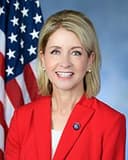
1 + 22
R· Illinois
YRS IN OFFICE
5
BILLS LED
36
COSPONSOR BREAKDOWNBIPARTISAN · 0%
DEM 0 REP 22 IND 0
ACTION TIMELINE
10 EVENTSJUL 2
Reported (Amended) by the Committee on Education and Workforce. H. Rept. 119-727.
JUL 2
Placed on the Union Calendar, Calendar No. 632.
MAR 17
Committee Consideration and Mark-up Session Held
MAR 17
Ordered to be Reported (Amended) by the Yeas and Nays: 18 - 13.
BILL INFO
TypeHouse Bill
NumberHR 7661
Congress119th
StatusReported
IntroducedFeb 24, 2026
Last actionJul 2, 2026
READER REACTIONS
OVERALL SENTIMENT
No reactions yet. Be the first to weigh in.
Discussion
Loading comments...
REPORTED· 119TH CONGRESS · EDUCATION AND WORKFORCE COMMITTEE · INTRODUCED FEB 24, 2026
House BillHR 7661Sex, gender, sexual orientation discriminationTeaching, teachers, curricula
Stop the Sexualization of Children Act
INTRODUCED FEB 24, 2026· LAST ACTION JUL 2, 2026
PASSAGE CHANCES
—%
READING
4 min
COSPONSORS
22
COMPLEXITY
Moderate