Bills · HR 7653
REPORTED· 119TH CONGRESS
House BillHR 7653Biological and life sciencesMedical research
Biodefense Diplomacy Enhancement Act
INTRO FEB 23· LAST ACTION MAR 26
READING
6MIN
COSPONSORS
6BIPARTISAN
READER REACTIONS0 TOTAL
NO VOTES YET · BE THE FIRST
- Reported, not passed
LEGISLATIVE PROGRESS
STEP 3 / 8Introduced
In Committee
Reported
Passed House
Passed Senate
Conference
To President
Became Law
WHAT THE BILL DOES
AI-writtenThis bill matters because biological threats, whether from natural pandemics, accidental lab releases, or intentional bioterrorism, pose significant global risks to health and security. By enhancing diplomatic engagement, the U.S. aims to build stronger international defenses and prevent the misuse of rapidly advancing biotechnology.
If this bill becomes law, it means a more focused and coordinated international effort to develop common strategies, share information, and potentially regulate dangerous biological materials. If it doesn't pass, these coordinated efforts might not be prioritized or developed as comprehensively, potentially leaving nations more vulnerable to future biological challenges.
KEY PROVISIONS
5AI-extractedPROVISION 01
Directs the Secretary of State to advance U.S. foreign policy goals to improve cooperation on biodefense, biosecurity, and biotechnology with allies and partners.
This initiates a more proactive and coordinated diplomatic approach to global biological threats.
PROVISION 02
Requires the Secretary of State to pursue enhanced biodefense cooperation within NATO, including developing policy, strengthening planning, and improving capabilities.
This aims to fortify the collective defense of NATO allies against biological attacks and threats.
PROVISION 03
Mandates the development of two strategies: a "NATO Biodefense Strategy" and an "International Biotechnology, Biosecurity, and Biodefense Cooperation Strategy."
These strategies will provide a roadmap for future U.S. and international actions to address biological risks.
PROVISION 04
Requires coordination with allies on export control policies for biotechnology items that could pose national security risks, such as those that could enable bioweapons.
This helps prevent dangerous biological technologies from falling into the wrong hands.
PROVISION 05
Requires the Secretary of State to submit a report to Congress containing the developed strategies and provide a briefing on significant global biotechnology and biosecurity developments.
This ensures congressional oversight and keeps policymakers informed about critical evolving threats and diplomatic efforts.
SPONSORSHIP
1 + 6
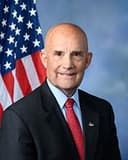
R· Texas
YRS IN OFFICE
3
BILLS LED
57
COSPONSOR BREAKDOWNBIPARTISAN · 66%
DEM 4 REP 2 IND 0
ACTION TIMELINE
4 EVENTSMAR 26
Committee Consideration and Mark-up Session Held
MAR 26
Ordered to be Reported by the Yeas and Nays: 46 - 0.
FEB 23
Introduced in House
FEB 23
Referred to the House Committee on Foreign Affairs.
BILL INFO
TypeHouse Bill
NumberHR 7653
Congress119th
StatusReported
IntroducedFeb 23, 2026
Last actionMar 26, 2026
READER REACTIONS
OVERALL SENTIMENT
No reactions yet. Be the first to weigh in.
Discussion
Loading comments...
REPORTED· 119TH CONGRESS · FOREIGN AFFAIRS COMMITTEE · INTRODUCED FEB 23, 2026
House BillHR 7653Biological and life sciencesMedical research
Biodefense Diplomacy Enhancement Act
INTRODUCED FEB 23, 2026· LAST ACTION MAR 26, 2026
PASSAGE CHANCES
—%
READING
6 min
COSPONSORS
6
COMPLEXITY
Moderate