Bills · HR 7652
IN COMMITTEE· 119TH CONGRESS
House BillHR 7652Immigration
Respect for Local Communities Act
INTRO FEB 23· LAST ACTION FEB 23
READING
3MIN
COSPONSORS
7
READER REACTIONS0 TOTAL
NO VOTES YET · BE THE FIRST
- Introduced only
LEGISLATIVE PROGRESS
STEP 2 / 8Introduced
In Committee
Reported
Passed House
Passed Senate
Conference
To President
Became Law
WHAT THE BILL DOES
AI-writtenThis bill matters because it shifts power regarding federal immigration facilities from Washington D.C. to local and state governments. Currently, communities often feel that federal agencies can impose facilities on them without sufficient input or concern for local impacts, such as strain on resources or infrastructure. If this bill becomes law, communities would have a direct say and their elected leaders could stop a project if they believe it's not right for their area, addressing concerns about local resources, infrastructure, and community character. If it doesn't pass, federal agencies will continue to have more unilateral control over where these facilities are built, often leading to more tension between federal plans and local desires. Passing this bill would give a legal voice to local populations who want to influence developments in their neighborhoods.
KEY PROVISIONS
4AI-extractedPROVISION 01
Requires the Department of Homeland Security (DHS) to issue a public notice in the Federal Register for at least 30 days to gather public comments on any new facility project.
This ensures that local residents and interested parties have a formal opportunity to voice their opinions and concerns before a project moves forward.
PROVISION 02
Mandates DHS to enter into a signed, written agreement with the local mayor or county executive, a majority of the local legislative body, and the State Governor.
This gives local and state officials direct veto power over federal immigration facility projects within their jurisdictions.
PROVISION 03
Requires the public notice to include an economic impact analysis and an engineering review covering waste, water usage, and electrical demand for the proposed facility.
This ensures potential environmental and resource strain on the local community is thoroughly assessed and publicly disclosed.
PROVISION 04
DHS must provide Congress with at least 30 days advance notice and a report, including the signed state and local agreement, before starting a new facility project.
This increases Congressional oversight and ensures transparency regarding new federal immigration facility developments.
SPONSORSHIP
1 + 7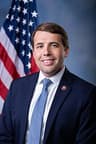
D· New Hampshire
YRS IN OFFICE
7
BILLS LED
56
COSPONSOR BREAKDOWNBIPARTISAN · 0%
DEM 7 REP 0 IND 0
ACTION TIMELINE
2 EVENTSFEB 23
Introduced in House
FEB 23
Referred to the House Committee on the Judiciary.
BILL INFO
TypeHouse Bill
NumberHR 7652
Congress119th
StatusIn Committee
IntroducedFeb 23, 2026
Last actionFeb 23, 2026
READER REACTIONS
OVERALL SENTIMENT
No reactions yet. Be the first to weigh in.
Discussion
Loading comments...
IN COMMITTEE· 119TH CONGRESS · JUDICIARY COMMITTEE · INTRODUCED FEB 23, 2026
House BillHR 7652Immigration
Respect for Local Communities Act
INTRODUCED FEB 23, 2026· LAST ACTION FEB 23, 2026
PASSAGE CHANCES
—%
READING
3 min
COSPONSORS
7
COMPLEXITY
Moderate