Bills · HR 7588
IN COMMITTEE· 119TH CONGRESS
House BillHR 7588Finance and Financial Sector
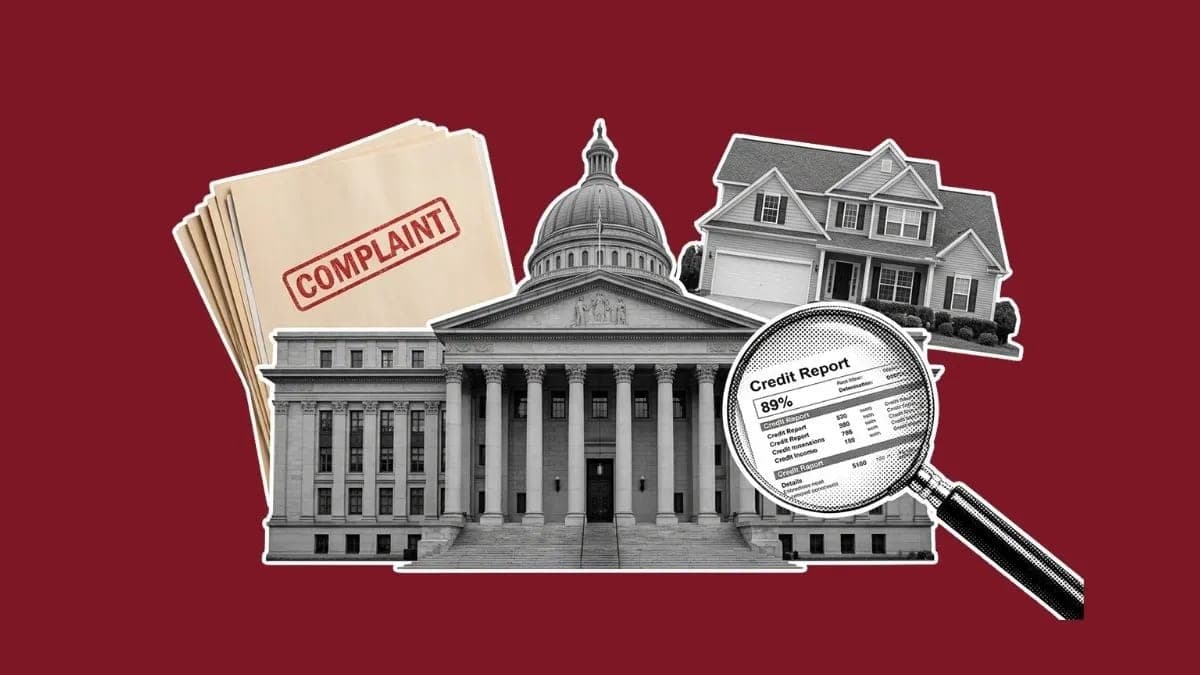
Eliminating Fraud in the CFPB’s Complaint Database Act
INTRO FEB 17· LAST ACTION FEB 17
READING
5MIN
COSPONSORS
0
READER REACTIONS0 TOTAL
NO VOTES YET · BE THE FIRST
- Introduced only
LEGISLATIVE PROGRESS
STEP 2 / 8Introduced
In Committee
Reported
Passed House
Passed Senate
Conference
To President
Became Law
WHAT THE BILL DOES
AI-writtenThis bill matters because it fundamentally changes the complaint process for financial consumers and the transparency of a key government watchdog. If it becomes law, consumers might find it harder or more time-consuming to get help from the CFPB, as they would need to meet new requirements like attempting a 60-day pre-filing resolution with the company and formally attesting to the complaint's accuracy under penalty of perjury. This could deter some from filing complaints, potentially leaving more consumer issues unaddressed.
For the public, the bill significantly reduces transparency by making individual complaint narratives and company responses confidential. Currently, these public narratives offer insights into specific issues consumers face with financial companies and how those companies respond. Without this public information, it could be harder for researchers, journalists, and the general public to identify patterns of misconduct or assess the performance of financial institutions, changing how accountability is maintained in the financial sector.
KEY PROVISIONS
5AI-extractedPROVISION 01
Requires consumers to attest, under penalty of perjury, that their complaint information is true and accurate and that they are the consumer or an authorized representative.
This aims to ensure the authenticity and accuracy of complaints submitted to the CFPB, potentially reducing fraudulent submissions.
PROVISION 02
Mandates that consumers first inform the financial company of their issue at least 60 days before submitting a complaint to the CFPB.
This encourages consumers and companies to resolve disputes directly before involving the government agency, potentially streamlining the process for straightforward issues.
PROVISION 03
Allows financial companies to close complaints without further action if they are deemed duplicative, frivolous, unauthorized, fraudulent, or if the issue was already resolved or not first communicated by the consumer 60 days prior.
This provision gives companies more control over the complaints they receive, potentially reducing their administrative burden from certain types of complaints.
PROVISION 04
Requires all narrative content of consumer complaints and company responses to remain confidential and not be published publicly by the CFPB.
This significantly alters the public transparency of consumer issues and company behavior, as only aggregated, non-identifiable data would be shared.
PROVISION 05
If a complaint is submitted without the consumer's authorization, the CFPB must, to the degree practicable, inform the consumer and the affected financial company of the unauthorized submission and the person who submitted it.
This helps protect consumers from unauthorized complaint submissions and provides information to companies about potential fraud.
SPONSORSHIP
1 + 0
R· Kentucky
YRS IN OFFICE
13
BILLS LED
60
ACTION TIMELINE
2 EVENTSFEB 17
Introduced in House
FEB 17
Referred to the House Committee on Financial Services.
BILL INFO
TypeHouse Bill
NumberHR 7588
Congress119th
StatusIn Committee
IntroducedFeb 17, 2026
Last actionFeb 17, 2026
READER REACTIONS
OVERALL SENTIMENT
No reactions yet. Be the first to weigh in.
Discussion
Loading comments...
IN COMMITTEE· 119TH CONGRESS · FINANCIAL SERVICES COMMITTEE · INTRODUCED FEB 17, 2026
House BillHR 7588Finance and Financial Sector
Eliminating Fraud in the CFPB’s Complaint Database Act
INTRODUCED FEB 17, 2026· LAST ACTION FEB 17, 2026
PASSAGE CHANCES
—%
READING
5 min
COSPONSORS
0
COMPLEXITY
Moderate