Bills · HR 7525
IN COMMITTEE· 119TH CONGRESS
House BillHR 7525Transportation and Public Works
Counter Drone State and Local Defender Act
INTRO FEB 12· LAST ACTION FEB 13
READING
18MIN
COSPONSORS
0
READER REACTIONS0 TOTAL
NO VOTES YET · BE THE FIRST
- Introduced only
LEGISLATIVE PROGRESS
STEP 2 / 8Introduced
In Committee
Reported
Passed House
Passed Senate
Conference
To President
Became Law
WHAT THE BILL DOES
AI-writtenVoters should care about this bill because it significantly expands who can intervene with drone operations, bringing counter-drone capabilities closer to local communities. If this bill becomes law, it means that local police departments and other agencies could respond directly to drone threats at events, over critical infrastructure, or near airports, rather than having to wait for federal intervention. This could lead to quicker responses to potential security or safety risks posed by unauthorized drones.
Without this bill, the authority to counter drones remains largely with federal agencies, which can create delays in responding to local incidents. This bill aims to fill that gap by empowering local responders, potentially making public spaces and critical facilities safer from malicious or reckless drone activity. However, it also raises questions about the training, oversight, and potential misuse of such powers by a wider array of agencies.
KEY PROVISIONS
5AI-extractedPROVISION 01
Authorizes the FAA to allow state, local, tribal, and territorial law enforcement to detect, track, seize, disable, or destroy threatening drones.
This provision expands counter-drone authority beyond federal agencies to a much wider range of local responders.
PROVISION 02
Establishes pilot programs for up to 4,000 law enforcement agencies over three years to test counter-drone systems and develop protocols.
These programs are crucial for evaluating the effectiveness of technology and creating the necessary rules before widespread implementation.
PROVISION 03
Requires the FAA to create permanent rules and policies after the pilot programs to authorize these agencies to use counter-drone systems.
This ensures the temporary pilot programs lead to lasting changes in how local agencies can manage drone threats.
PROVISION 04
Specifies that certain federal laws (e.g., related to wiretapping or computer fraud) will not apply to authorized counter-drone activities.
This provision provides legal protection for law enforcement actions that might otherwise violate existing statutes regarding communication interception or property interference.
PROVISION 05
Mandates privacy protections for intercepted drone communications, requiring immediate disposal of records unless needed for investigations or other specified reasons.
This provision aims to balance security needs with constitutional rights, ensuring data collection is limited and handled appropriately.
SPONSORSHIP
1 + 0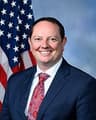
R· Missouri
YRS IN OFFICE
3
BILLS LED
26
ACTION TIMELINE
4 EVENTSFEB 13
Referred to the Subcommittee on Aviation.
FEB 12
Introduced in House
FEB 12
Referred to the Committee on Transportation and Infrastructure, and in addition to the Committee on the Judiciary, for a period to be subsequently determined by the Speaker, in each case for consideration of such provisions as fall within the jurisdiction of the committee concerned.
FEB 12
Referred to the Committee on Transportation and Infrastructure, and in addition to the Committee on the Judiciary, for a period to be subsequently determined by the Speaker, in each case for consideration of such provisions as fall within the jurisdiction of the committee concerned.
BILL INFO
TypeHouse Bill
NumberHR 7525
Congress119th
StatusIn Committee
IntroducedFeb 12, 2026
Last actionFeb 13, 2026
READER REACTIONS
OVERALL SENTIMENT
No reactions yet. Be the first to weigh in.
Discussion
Loading comments...
IN COMMITTEE· 119TH CONGRESS · TRANSPORTATION AND INFRASTRUCTURE COMMITTEE · INTRODUCED FEB 12, 2026
House BillHR 7525Transportation and Public Works
Counter Drone State and Local Defender Act
INTRODUCED FEB 12, 2026· LAST ACTION FEB 13, 2026
PASSAGE CHANCES
—%
READING
18 min
COSPONSORS
0
COMPLEXITY
Moderate