Bills · HR 7353
IN COMMITTEE· 119TH CONGRESS
House BillHR 7353Motor vehiclesPedestrians and bicycling
Magnus White and Safe Streets for Everyone Act of 2026
INTRO FEB 4· LAST ACTION FEB 10
READING
3MIN
COSPONSORS
1
READER REACTIONS0 TOTAL
NO VOTES YET · BE THE FIRST
- Introduced only
LEGISLATIVE PROGRESS
STEP 2 / 8Introduced
In Committee
Reported
Passed House
Passed Senate
Conference
To President
Became Law
WHAT THE BILL DOES
AI-writtenVoters should care about this bill because it aims to significantly improve safety for people outside of cars, addressing a critical issue on our roads. Accidents involving pedestrians, cyclists, and motorcyclists are a serious concern, and current automatic emergency braking systems sometimes have limitations in detecting these vulnerable groups or performing in all conditions.
If this bill becomes law, new cars will eventually come with more advanced braking technology that is specifically designed to prevent these types of crashes. This could lead to a reduction in injuries and fatalities, making streets safer for everyone who walks, bikes, or rides. If it doesn't become law, the current safety standards for automatic emergency braking systems might not be updated to specifically address the comprehensive detection of vulnerable road users, potentially leaving gaps in protection for these groups.
KEY PROVISIONS
4AI-extractedPROVISION 01
Sets a firm compliance date of September 1, 2029, for car manufacturers to implement the existing automatic emergency braking (AEB) rule for light vehicles.
Ensures timely adoption of current AEB standards, pushing for modern vehicle safety features to be widely available sooner.
PROVISION 02
Directs the Secretary of Transportation to initiate a rulemaking process within 180 days to amend the current AEB standard to specifically enhance safety for vulnerable road users.
Kicks off the legal process to expand AEB capabilities to protect non-occupants of vehicles.
PROVISION 03
Requires the amended AEB rule to ensure systems in new passenger vehicles detect and respond to vulnerable road users (pedestrians, cyclists, motorcyclists, etc.) in daylight and low-light conditions, at the full range of specified speeds, and regardless of skin/clothing color.
Mandates specific technical improvements to make AEB more effective and comprehensive for those most at risk outside of vehicles.
PROVISION 04
Establishes deadlines for the Secretary to issue the final revised rule (2 years after initiation) and for manufacturers to comply with it (2 years after the rule is issued).
Provides a clear timeline for the development and widespread implementation of enhanced safety standards, ensuring progress is made.
SPONSORSHIP
1 + 1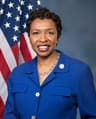
D· New York
YRS IN OFFICE
19
BILLS LED
22
COSPONSOR BREAKDOWNBIPARTISAN · 0%
DEM 1 REP 0 IND 0
ACTION TIMELINE
5 EVENTSFEB 10
Subcommittee Consideration and Mark-up Session Held
FEB 10
Forwarded by Subcommittee to Full Committee by Voice Vote.
FEB 4
Introduced in House
FEB 4
Referred to the House Committee on Energy and Commerce.
BILL INFO
TypeHouse Bill
NumberHR 7353
Congress119th
StatusIn Committee
IntroducedFeb 4, 2026
Last actionFeb 10, 2026
READER REACTIONS
OVERALL SENTIMENT
No reactions yet. Be the first to weigh in.
Discussion
Loading comments...
IN COMMITTEE· 119TH CONGRESS · ENERGY AND COMMERCE COMMITTEE · INTRODUCED FEB 4, 2026
House BillHR 7353Motor vehiclesPedestrians and bicycling
Magnus White and Safe Streets for Everyone Act of 2026
INTRODUCED FEB 4, 2026· LAST ACTION FEB 10, 2026
PASSAGE CHANCES
—%
READING
3 min
COSPONSORS
1
COMPLEXITY
Moderate