Bills · HR 7256
REPORTED· 119TH CONGRESS
House BillHR 7256Government employee pay, benefits, personnel management
Federal Workforce Early Separation Incentives Act
INTRO JAN 27· LAST ACTION FEB 4
READING
1MIN
COSPONSORS
0
READER REACTIONS0 TOTAL
NO VOTES YET · BE THE FIRST
- Reported, not passed
LEGISLATIVE PROGRESS
STEP 3 / 8Introduced
In Committee
Reported
Passed House
Passed Senate
Conference
To President
Became Law
WHAT THE BILL DOES
AI-writtenThis bill matters because it gives federal agencies a stronger tool to manage their workforce, allowing them to adjust staffing levels more effectively. For example, an agency could use these enhanced incentives to reduce staff in certain departments, encourage retirements, or make room for new hires with different skill sets.
For federal employees, it means potentially receiving a more substantial financial package if they choose to leave their jobs early, which could better assist them in transitioning to retirement or a new career. If this bill doesn't become law, agencies will continue to operate under the current, likely lower, payment limits, which might make voluntary separation less attractive to employees and limit agencies' ability to make workforce changes.
KEY PROVISIONS
3AI-extractedPROVISION 01
The bill increases the maximum amount federal agencies can offer employees for voluntary early separation.
This makes early departure a more attractive financial option for federal employees.
PROVISION 02
The new maximum payment is set at six months of an employee's pay immediately before separation.
This establishes a clear, higher financial cap tied to the employee's recent salary, providing a more generous incentive.
PROVISION 03
Agency heads gain discretion to determine the exact amount of the incentive payment, as long as it does not exceed the new six-month pay limit.
This gives agencies more flexibility to tailor incentive offers based on specific workforce needs and budgetary considerations.
SPONSORSHIP
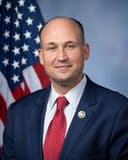
1 + 0
R· New York
YRS IN OFFICE
3
BILLS LED
48
ACTION TIMELINE
4 EVENTSFEB 4
Committee Consideration and Mark-up Session Held
FEB 4
Ordered to be Reported (Amended) by the Yeas and Nays: 43 - 0.
JAN 27
Introduced in House
JAN 27
Referred to the House Committee on Oversight and Government Reform.
BILL INFO
TypeHouse Bill
NumberHR 7256
Congress119th
StatusReported
IntroducedJan 27, 2026
Last actionFeb 4, 2026
READER REACTIONS
OVERALL SENTIMENT
No reactions yet. Be the first to weigh in.
Discussion
Loading comments...
REPORTED· 119TH CONGRESS · OVERSIGHT AND GOVERNMENT REFORM COMMITTEE · INTRODUCED JAN 27, 2026
House BillHR 7256Government employee pay, benefits, personnel management
Federal Workforce Early Separation Incentives Act
INTRODUCED JAN 27, 2026· LAST ACTION FEB 4, 2026
PASSAGE CHANCES
—%
READING
1 min
COSPONSORS
0
COMPLEXITY
Moderate