Bills · HR 723
IN COMMITTEE· 119TH CONGRESS
House BillHR 723Charitable contributionsState and local government operations
Protect American Election Administration Act of 2025
INTRO JAN 24· LAST ACTION JAN 24
READING
2MIN
COSPONSORS
10
READER REACTIONS0 TOTAL
NO VOTES YET · BE THE FIRST
- Introduced only
LEGISLATIVE PROGRESS
STEP 2 / 8Introduced
In Committee
Reported
Passed House
Passed Senate
Conference
To President
Became Law
WHAT THE BILL DOES
AI-writtenVoters should care about this bill because it changes how federal elections are funded. If it becomes law, it means that only government money, not private donations, can be used for most aspects of running federal elections, including voter education and outreach. This could change public perception of election integrity by removing potential private influence, but it might also strain election budgets if public funding isn't increased to make up for the lost private contributions.
If this bill doesn't become law, states would continue to have the option to accept funds, property, and services from private groups for election administration, as they have in the past. This bill directly addresses a debate about whether private funding for elections can introduce partisan bias or if it's a necessary resource for underfunded election offices.
KEY PROVISIONS
5AI-extractedPROVISION 01
Prohibits states from accepting or spending funds, property, or personal services from private entities for federal election administration.
This is the central change of the bill, aiming to prevent private influence on election processes.
PROVISION 02
Specifies that the prohibition includes voter education, voter outreach, and voter registration programs.
This clarifies the broad scope of election activities that would no longer be able to receive private support.
PROVISION 03
Allows states to accept donated physical space from private entities to be used as polling places or early voting sites.
This carves out a specific exception, acknowledging that some forms of private assistance are still permissible.
PROVISION 04
Amends the Help America Vote Act of 2002 to incorporate this new prohibition.
This establishes the new rule as part of a significant existing federal election law.
PROVISION 05
The changes will apply to any federal election held after the bill is officially enacted into law.
This sets the timeframe for when the new rules would begin to take effect.
SPONSORSHIP
1 + 10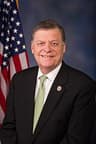
R· Oklahoma
YRS IN OFFICE
23
BILLS LED
17
COSPONSOR BREAKDOWNBIPARTISAN · 0%
DEM 0 REP 10 IND 0
ACTION TIMELINE
2 EVENTSJAN 24
Introduced in House
JAN 24
Referred to the House Committee on House Administration.
BILL INFO
TypeHouse Bill
NumberHR 723
Congress119th
StatusIn Committee
IntroducedJan 24, 2025
Last actionJan 24, 2025
READER REACTIONS
OVERALL SENTIMENT
No reactions yet. Be the first to weigh in.
Discussion
Loading comments...
IN COMMITTEE· 119TH CONGRESS · COMMITTEE ON HOUSE ADMINISTRATION · INTRODUCED JAN 24, 2025
House BillHR 723Charitable contributionsState and local government operations
Protect American Election Administration Act of 2025
INTRODUCED JAN 24, 2025· LAST ACTION JAN 24, 2025
PASSAGE CHANCES
—%
READING
2 min
COSPONSORS
10
COMPLEXITY
Moderate