Bills · HR 7086
REPORTED· 119TH CONGRESS
House BillHR 7086Educational facilities and institutionsState and local government operations
Equitable Access to School Facilities Act
INTRO JAN 15· LAST ACTION JUN 2
READING
10MIN
COSPONSORS
10BIPARTISAN
READER REACTIONS0 TOTAL
NO VOTES YET · BE THE FIRST
- Reported, not passed
LEGISLATIVE PROGRESS
STEP 3 / 8Introduced
In Committee
Reported
Passed House
Passed Senate
Conference
To President
Became Law
WHAT THE BILL DOES
AI-writtenThis bill matters because facility costs are often one of the biggest challenges for charter schools, sometimes making it hard for them to open or grow, especially in areas with high real estate costs. If this bill becomes law, it could lead to more charter schools being built or existing ones being improved, potentially creating more educational options for families and better learning environments for students.
Without this bill, charter schools in many states might continue to struggle to find suitable, affordable facilities, potentially limiting their ability to expand or serve more students. By offering federal incentives, the bill encourages states to take a more active role in supporting charter school facility needs, which could make a tangible difference in school quality and availability.
KEY PROVISIONS
5AI-extractedPROVISION 01
Amends the State Facilities Aid Program to authorize competitive grants for State entities.
This creates a new mechanism for states to receive federal funding specifically for supporting charter school facilities.
PROVISION 02
Grants are awarded to state entities with high-quality applications that propose activities to improve charter school facility quality and affordability.
It directs federal funds towards states committed to actively addressing charter school facility challenges.
PROVISION 03
Prioritizes grants to states that provide charter schools with access to tax-exempt financing, equitable land use policies, or prohibit restrictions on purchasing surplus public property.
This incentivizes states to adopt specific policies that directly benefit charter schools' access to facilities.
PROVISION 04
Funds can be used for increasing financing for facility acquisition, leasing, renovation, ongoing costs, or supporting alternative ownership models for charter schools.
It provides flexibility for states to use funds for various critical facility needs of charter schools.
PROVISION 05
The federal share of grant costs is capped at 60%, and grants are awarded for periods of up to 5 years.
This sets the financial contribution limits and duration for federal support, requiring significant state or local matching funds.
SPONSORSHIP
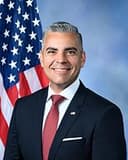
1 + 10
R· Arizona
YRS IN OFFICE
3
BILLS LED
32
COSPONSOR BREAKDOWNBIPARTISAN · 80%
DEM 6 REP 4 IND 0
ACTION TIMELINE
10 EVENTSJUN 2
Reported (Amended) by the Committee on Education and Workforce. H. Rept. 119-672.
JUN 2
Placed on the Union Calendar, Calendar No. 586.
JAN 21
Committee Consideration and Mark-up Session Held
JAN 21
Ordered to be Reported (Amended) by the Yeas and Nays: 19 - 15.
BILL INFO
TypeHouse Bill
NumberHR 7086
Congress119th
StatusReported
IntroducedJan 15, 2026
Last actionJun 2, 2026
READER REACTIONS
OVERALL SENTIMENT
No reactions yet. Be the first to weigh in.
Discussion
Loading comments...
REPORTED· 119TH CONGRESS · EDUCATION AND WORKFORCE COMMITTEE · INTRODUCED JAN 15, 2026
House BillHR 7086Educational facilities and institutionsState and local government operations
Equitable Access to School Facilities Act
INTRODUCED JAN 15, 2026· LAST ACTION JUN 2, 2026
PASSAGE CHANCES
—%
READING
10 min
COSPONSORS
10
COMPLEXITY
Moderate