Bills · HR 702
IN COMMITTEE· 119TH CONGRESS
House BillHR 702Inflation and pricesState and local government operations
Improving Federal Assistance to Families Act
INTRO JAN 23· LAST ACTION JAN 23
READING
5MIN
COSPONSORS
0
READER REACTIONS0 TOTAL
NO VOTES YET · BE THE FIRST
- Introduced only
LEGISLATIVE PROGRESS
STEP 2 / 8Introduced
In Committee
Reported
Passed House
Passed Senate
Conference
To President
Became Law
WHAT THE BILL DOES
AI-writtenThis bill matters because the current way the federal government measures poverty doesn't account for the huge differences in the cost of living across the country. A family struggling to pay rent and buy food in a high-cost city like New York or San Francisco might not qualify for federal aid because the national poverty line is the same as for a family in a much cheaper rural area. If this bill becomes law, it would create a more realistic and fair way to determine who truly needs assistance, potentially expanding eligibility for federal programs to many families who are currently overlooked.
Without this bill, the "one-size-fits-all" federal poverty line would continue to inaccurately reflect economic hardship in different regions, meaning families in expensive areas might remain in a grey area, earning too much to qualify for aid but not enough to cover basic necessities. The bill's proposal to use whichever poverty line (current or regional) results in a higher poverty rate aims to ensure that no state sees a decrease in eligibility. This change could lead to better targeting of federal resources, helping more working-poor families keep pace with the real costs of living, and providing a more accurate picture of economic well-being nationwide.
KEY PROVISIONS
4AI-extractedPROVISION 01
The Bureau of the Census must create and publish a new "Regionally Adjusted Poverty Line" annually for each state, accounting for local costs of living.
This would create a more accurate and state-specific measure of poverty that reflects economic realities across different regions.
PROVISION 02
The Secretary of Health and Human Services will use whichever poverty line (the current one or the new regional one) results in a higher poverty rate for each state when determining eligibility for most federal programs.
This ensures that in states with higher living costs, more families might qualify for federal assistance, while avoiding a reduction in eligibility in any state.
PROVISION 03
The bill grants flexibility for determining eligibility for Affordable Care Act Premium Tax Credits, allowing the use of either the current or regionally adjusted poverty line.
This provision aims to protect access to health insurance subsidies for low-income households, particularly in states that have not expanded Medicaid.
PROVISION 04
The Government Accountability Office (GAO) is required to conduct a study on the "ALICE threshold," an alternative poverty measure that includes the regional cost of necessities.
This study could lead to further improvements in how the government measures and addresses household material need beyond traditional poverty lines.
SPONSORSHIP
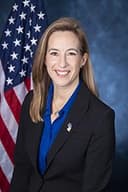
1 + 0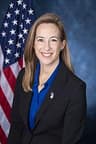
D· New Jersey
YRS IN OFFICE
7
BILLS LED
21
ACTION TIMELINE
2 EVENTSJAN 23
Introduced in House
JAN 23
Referred to the Committee on Oversight and Government Reform, and in addition to the Committee on Ways and Means, for a period to be subsequently determined by the Speaker, in each case for consideration of such provisions as fall within the jurisdiction of the committee concerned.
BILL INFO
TypeHouse Bill
NumberHR 702
Congress119th
StatusIn Committee
IntroducedJan 23, 2025
Last actionJan 23, 2025
READER REACTIONS
OVERALL SENTIMENT
No reactions yet. Be the first to weigh in.
Discussion
Loading comments...
IN COMMITTEE· 119TH CONGRESS · OVERSIGHT AND GOVERNMENT REFORM COMMITTEE · INTRODUCED JAN 23, 2025
House BillHR 702Inflation and pricesState and local government operations
Improving Federal Assistance to Families Act
INTRODUCED JAN 23, 2025· LAST ACTION JAN 23, 2025
PASSAGE CHANCES
—%
READING
5 min
COSPONSORS
0
COMPLEXITY
Moderate