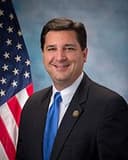
Bills · HR 698
IN COMMITTEE· 119TH CONGRESS
House BillHR 698Immigration
Asylum Accountability Act
INTRO JAN 23· LAST ACTION JAN 23
READING
1MIN
COSPONSORS
4
READER REACTIONS0 TOTAL
NO VOTES YET · BE THE FIRST
- Introduced only
LEGISLATIVE PROGRESS
STEP 2 / 8Introduced
In Committee
Reported
Passed House
Passed Senate
Conference
To President
Became Law
WHAT THE BILL DOES
AI-writtenVoters should care about this bill because it significantly changes the consequences for non-citizens who do not attend their mandatory immigration court hearings. If this bill becomes law, missing a court date without a truly exceptional reason would lead to a permanent inability to gain legal status, rather than a temporary 10-year ban. This could be seen as either a stronger enforcement measure to ensure compliance with immigration proceedings or as a harsher penalty that reduces opportunities for individuals to eventually gain legal status, even if their original reasons for seeking asylum or other relief were valid but they made a procedural error.
The bill impacts the fairness and effectiveness of the immigration system, affecting how quickly cases are processed and the long-term fate of individuals seeking to remain in the U.S. It touches on issues of accountability in the immigration court system and the severity of penalties for procedural failures.
KEY PROVISIONS
3AI-extractedPROVISION 01
The bill removes the 10-year time limit for ineligibility to become a permanent resident for non-citizens who fail to appear at a removal proceeding.
This changes a temporary bar into a permanent one, significantly increasing the long-term consequences for missing a court date.
PROVISION 02
It amends Section 240(b)(7) of the Immigration and Nationality Act to implement this change.
This is the specific legal mechanism used to alter the existing immigration law regarding eligibility for permanent residency.
PROVISION 03
The permanent ineligibility remains subject to the existing 'exceptional circumstances' clause, meaning a non-citizen could still be eligible if they prove they had a truly unavoidable reason for missing court.
This provision offers a narrow exception to the permanent bar, acknowledging that some absences may be truly beyond an individual's control.
SPONSORSHIP
1 + 4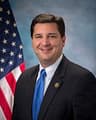
R· North Carolina
YRS IN OFFICE
11
BILLS LED
30
COSPONSOR BREAKDOWNBIPARTISAN · 0%
DEM 0 REP 4 IND 0
ACTION TIMELINE
2 EVENTSJAN 23
Introduced in House
JAN 23
Referred to the House Committee on the Judiciary.
BILL INFO
TypeHouse Bill
NumberHR 698
Congress119th
StatusIn Committee
IntroducedJan 23, 2025
Last actionJan 23, 2025
READER REACTIONS
OVERALL SENTIMENT
No reactions yet. Be the first to weigh in.
Discussion
Loading comments...
IN COMMITTEE· 119TH CONGRESS · JUDICIARY COMMITTEE · INTRODUCED JAN 23, 2025
House BillHR 698Immigration
Asylum Accountability Act
INTRODUCED JAN 23, 2025· LAST ACTION JAN 23, 2025
PASSAGE CHANCES
—%
READING
1 min
COSPONSORS
4
COMPLEXITY
Moderate