Bills · HR 6896
IN COMMITTEE· 119TH CONGRESS
House BillHR 6896Government Operations and Politics
Federal Facilities Protection and Oversight Act of 2025
INTRO DEC 18· LAST ACTION FEB 2
READING
2MIN
COSPONSORS
2
READER REACTIONS0 TOTAL
NO VOTES YET · BE THE FIRST
- Introduced only
LEGISLATIVE PROGRESS
STEP 2 / 8Introduced
In Committee
Reported
Passed House
Passed Senate
Conference
To President
Became Law
WHAT THE BILL DOES
AI-writtenThis bill matters because it changes who has the final say over the fate of federal buildings in the nation's capital. Right now, agencies can often make major decisions about their buildings without direct Congressional input, which can sometimes lead to the demolition of historic structures or changes that aren't broadly supported.
If this bill becomes law, it means that significant changes or demolitions to D.C.'s federal buildings would undergo a more rigorous public and legislative review process. This could slow down development projects but also ensure greater preservation of architectural heritage and more thoughtful planning for new construction, preventing sudden or controversial changes to the federal landscape. If it doesn't become law, federal agencies would continue to have more autonomy in these decisions.
KEY PROVISIONS
3AI-extractedPROVISION 01
Requires express Congressional approval for the demolition or substantial alteration of any public building in the District of Columbia.
This provision shifts the authority for major changes to federal buildings in D.C. from agencies to Congress, increasing legislative oversight.
PROVISION 02
Mandates that an approved and finalized plan for construction must be in place before a federal building in D.C. can be demolished.
This ensures that a replacement plan is secured, preventing vacant lots or unplanned spaces after a demolition.
PROVISION 03
Expands the oversight responsibilities of the National Capital Planning Commission to include substantial alterations of buildings, with consideration for architectural integrity.
This gives a key planning body more power to protect the aesthetic and historical character of D.C.'s federal buildings during major renovations.
SPONSORSHIP
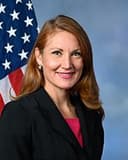
1 + 2
D· New Mexico
YRS IN OFFICE
5
BILLS LED
28
COSPONSOR BREAKDOWNBIPARTISAN · 0%
DEM 2 REP 0 IND 0
ACTION TIMELINE
3 EVENTSFEB 2
Referred to the Subcommittee on Economic Development, Public Buildings, and Emergency Management.
DEC 18
Introduced in House
DEC 18
Referred to the Committee on Oversight and Government Reform, and in addition to the Committee on Transportation and Infrastructure, for a period to be subsequently determined by the Speaker, in each case for consideration of such provisions as fall within the jurisdiction of the committee concerned.
BILL INFO
TypeHouse Bill
NumberHR 6896
Congress119th
StatusIn Committee
IntroducedDec 18, 2025
Last actionFeb 2, 2026
READER REACTIONS
OVERALL SENTIMENT
No reactions yet. Be the first to weigh in.
Discussion
Loading comments...
IN COMMITTEE· 119TH CONGRESS · OVERSIGHT AND GOVERNMENT REFORM COMMITTEE · INTRODUCED DEC 18, 2025
House BillHR 6896Government Operations and Politics
Federal Facilities Protection and Oversight Act of 2025
INTRODUCED DEC 18, 2025· LAST ACTION FEB 2, 2026
PASSAGE CHANCES
—%
READING
2 min
COSPONSORS
2
COMPLEXITY
Moderate