Bills · HR 6864
IN COMMITTEE· 119TH CONGRESS
House BillHR 6864Public Lands and Natural Resources
SAW Act
INTRO DEC 18· LAST ACTION DEC 18
READING
2MIN
COSPONSORS
6BIPARTISAN
READER REACTIONS0 TOTAL
NO VOTES YET · BE THE FIRST
- Introduced only
LEGISLATIVE PROGRESS
STEP 2 / 8Introduced
In Committee
Reported
Passed House
Passed Senate
Conference
To President
Became Law
WHAT THE BILL DOES
AI-writtenThis bill matters because it changes the rules for how people can interact with certain predatory animals on federal lands across the country. If passed, it would prevent hunters and trappers from using motor vehicles, which can include everything from ATVs to snowmobiles, to pursue or kill animals like wolves, coyotes, or bears. This shifts hunting practices by emphasizing a more "fair chase" approach, where the use of vehicles to gain an advantage is restricted.
Voters should care because it reflects a debate over hunting ethics and wildlife management. Supporters believe it promotes more ethical hunting and protects wildlife from what they see as unsporting methods. Opponents might argue it restricts traditional hunting practices or makes predator control more difficult. If this bill becomes law, it could lead to changes in predator populations in some areas, as well as altering recreational opportunities for some hunters, and would establish specific penalties for violations, impacting those who do not comply.
KEY PROVISIONS
5AI-extractedPROVISION 01
Prohibits the intentional use of a motor vehicle to harass, pursue, hunt, shoot, wound, kill, trap, capture, or collect a mammalian predator species on Federal land.
This provision directly changes established hunting and trapping practices by making vehicle-assisted take of predators illegal on federal property.
PROVISION 02
Allows an exception if the prohibited conduct was done to avoid injury or death to oneself or another person.
This ensures that individuals are not penalized for using a vehicle in self-defense against a predator.
PROVISION 03
Establishes penalties of up to a $10,000 fine, up to 5 years imprisonment, or both, for violations.
These significant penalties create a strong deterrent against engaging in the prohibited activities.
PROVISION 04
Grants the Secretary of the Interior authority to investigate violations and obtain assistance from other federal, state, and local law enforcement agencies.
This provision outlines the enforcement mechanism and highlights inter-agency cooperation for compliance.
PROVISION 05
Defines "Federal land" as U.S. government-owned land, excluding tribal lands, and states that "mammalian predator species" will be defined by the Secretary of the Interior.
These definitions clarify where and to which animals the law applies, but the specific list of predators will depend on future administrative action.
SPONSORSHIP
1 + 6
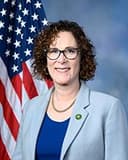
D· Oregon
YRS IN OFFICE
3
BILLS LED
15
COSPONSOR BREAKDOWNBIPARTISAN · 100%
DEM 3 REP 3 IND 0
ACTION TIMELINE
2 EVENTSDEC 18
Introduced in House
DEC 18
Referred to the House Committee on the Judiciary.
BILL INFO
TypeHouse Bill
NumberHR 6864
Congress119th
StatusIn Committee
IntroducedDec 18, 2025
Last actionDec 18, 2025
READER REACTIONS
OVERALL SENTIMENT
No reactions yet. Be the first to weigh in.
Discussion
Loading comments...
IN COMMITTEE· 119TH CONGRESS · JUDICIARY COMMITTEE · INTRODUCED DEC 18, 2025
House BillHR 6864Public Lands and Natural Resources
SAW Act
INTRODUCED DEC 18, 2025· LAST ACTION DEC 18, 2025
PASSAGE CHANCES
—%
READING
2 min
COSPONSORS
6
COMPLEXITY
Moderate