Bills · HR 6777
IN COMMITTEE· 119TH CONGRESS
House BillHR 6777Public Lands and Natural Resources
Oregon Owyhee Wilderness and Community Protection Act
INTRO DEC 17· LAST ACTION DEC 17
READING
37MIN
COSPONSORS
0
READER REACTIONS0 TOTAL
NO VOTES YET · BE THE FIRST
- Introduced only
LEGISLATIVE PROGRESS
STEP 2 / 8Introduced
In Committee
Reported
Passed House
Passed Senate
Conference
To President
Became Law
WHAT THE BILL DOES
AI-writtenThis bill matters to voters because it changes how a portion of federal public land in Oregon is managed, directly impacting the balance between economic activity and environmental oversight. It aims to empower local ranchers with greater flexibility to adapt their grazing practices to real-time environmental challenges, such as droughts or fires, which could lead to more stable and sustainable ranching businesses in the region.
However, the bill also streamlines the approval process for these temporary grazing adjustments by exempting them from key environmental review laws like the National Environmental Policy Act (NEPA). This raises questions about the level of public input and environmental scrutiny for land use changes on federal lands. Voters concerned about agricultural sustainability, the health of public lands, and the role of environmental regulations will find this legislation particularly relevant, as it sets new precedents for how land management decisions are made in response to a changing climate.
KEY PROVISIONS
4AI-extractedPROVISION 01
Establishes the Malheur County Grazing Management Program on Federal land in Malheur County, Oregon.
Creates a specific framework for managing livestock grazing in this region, setting the stage for subsequent changes.
PROVISION 02
Allows authorized grazing permittees and lessees to request "operational flexibility" for seasonal adjustments, pasture rotation, and water source placement.
Gives ranchers the ability to adapt to changing environmental conditions like drought or fire, potentially improving their business and animal welfare.
PROVISION 03
Interim operational flexibilities (variances) are immediately effective, considered final agency actions, and do not require compliance with NEPA or specific federal regulations.
Significantly streamlines the approval process for temporary grazing adjustments, reducing administrative hurdles but also limiting environmental review.
PROVISION 04
Requires the Secretary to adopt cooperative rangeland monitoring plans to evaluate the impact of flexible grazing use on rangeland health.
Aims to ensure that increased flexibility for ranchers is balanced with ongoing assessment of environmental conditions and progress towards health standards.
SPONSORSHIP
1 + 0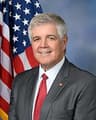
R· Oregon
YRS IN OFFICE
5
BILLS LED
15
ACTION TIMELINE
2 EVENTSDEC 17
Introduced in House
DEC 17
Referred to the House Committee on Natural Resources.
BILL INFO
TypeHouse Bill
NumberHR 6777
Congress119th
StatusIn Committee
IntroducedDec 17, 2025
Last actionDec 17, 2025
READER REACTIONS
OVERALL SENTIMENT
No reactions yet. Be the first to weigh in.
Discussion
Loading comments...
IN COMMITTEE· 119TH CONGRESS · HOUSE · INTRODUCED DEC 17, 2025
House BillHR 6777Public Lands and Natural Resources
Oregon Owyhee Wilderness and Community Protection Act
INTRODUCED DEC 17, 2025· LAST ACTION DEC 17, 2025
PASSAGE CHANCES
—%
READING
37 min
COSPONSORS
0
COMPLEXITY
Moderate