Bills · HR 669
IN COMMITTEE· 119TH CONGRESS
House BillHR 669Nuclear weaponsPresidents and presidential powers, Vice Presidents
Restricting First Use of Nuclear Weapons Act of 2025
INTRO JAN 23· LAST ACTION JAN 23
READING
3MIN
COSPONSORS
35
READER REACTIONS0 TOTAL
NO VOTES YET · BE THE FIRST
- Introduced only
LEGISLATIVE PROGRESS
STEP 2 / 8Introduced
In Committee
Reported
Passed House
Passed Senate
Conference
To President
Became Law
WHAT THE BILL DOES
AI-writtenThis bill matters because it proposes a fundamental shift in who holds the power to initiate nuclear warfare. Currently, the President has the sole authority to order a nuclear strike, even a first-use one. If this bill becomes law, that power would be restricted, requiring Congress to declare war and explicitly authorize any first-use nuclear attack. This change could mean that decisions about potentially world-altering conflicts would involve more debate and input from elected representatives, rather than resting with a single individual.
Voters should care because it addresses a critical question of checks and balances regarding the most destructive weapons ever created. If the bill passes, it aims to reduce the risk of a hasty decision to use nuclear weapons by requiring broader consensus. If it doesn't pass, the President would retain the existing authority to order a first-use nuclear strike without Congressional consent, continuing the current practice.
KEY PROVISIONS
3AI-extractedPROVISION 01
Prohibits the use of federal funds for any first-use nuclear strike unless Congress has declared war and specifically authorized that strike.
This provision directly restricts the President's ability to order a first-use nuclear strike without Congressional approval.
PROVISION 02
Defines "first-use nuclear strike" as any nuclear attack that is not in response to a nuclear strike already launched against the U.S., its territories, or allies.
This definition clarifies the specific scenario that requires Congressional authorization, distinguishing it from retaliatory strikes.
PROVISION 03
Declares it U.S. policy that no first-use nuclear strike should occur without a Congressional declaration of war.
This establishes a formal policy stance aligning with the bill's constitutional interpretation of war-making powers.
SPONSORSHIP
1 + 35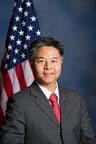
D· California
YRS IN OFFICE
11
BILLS LED
0
COSPONSOR BREAKDOWNBIPARTISAN · 0%
DEM 35 REP 0 IND 0
ACTION TIMELINE
2 EVENTSJAN 23
Introduced in House
JAN 23
Referred to the Committee on Foreign Affairs, and in addition to the Committee on Armed Services, for a period to be subsequently determined by the Speaker, in each case for consideration of such provisions as fall within the jurisdiction of the committee concerned.
BILL INFO
TypeHouse Bill
NumberHR 669
Congress119th
StatusIn Committee
IntroducedJan 23, 2025
Last actionJan 23, 2025
READER REACTIONS
OVERALL SENTIMENT
No reactions yet. Be the first to weigh in.
Discussion
Loading comments...
IN COMMITTEE· 119TH CONGRESS · ARMED SERVICES COMMITTEE · INTRODUCED JAN 23, 2025
House BillHR 669Nuclear weaponsPresidents and presidential powers, Vice Presidents
Restricting First Use of Nuclear Weapons Act of 2025
INTRODUCED JAN 23, 2025· LAST ACTION JAN 23, 2025
PASSAGE CHANCES
—%
READING
3 min
COSPONSORS
35
COMPLEXITY
Moderate