Bills · HR 6668
IN COMMITTEE· 119TH CONGRESS
House BillHR 6668Environmental Protection
Clean Water Standards for PFAS Act of 2025
INTRO DEC 11· LAST ACTION FEB 2
READING
6MIN
COSPONSORS
1
READER REACTIONS0 TOTAL
NO VOTES YET · BE THE FIRST
- Introduced only
LEGISLATIVE PROGRESS
STEP 2 / 8Introduced
In Committee
Reported
Passed House
Passed Senate
Conference
To President
Became Law
WHAT THE BILL DOES
AI-writtenThis bill matters because PFAS chemicals, often referred to as "forever chemicals," are persistent in our environment and have been linked to serious health problems such as cancer, developmental issues, and immune system damage. Currently, many industrial sources can discharge PFAS into water without specific federal limits, leading to ongoing contamination of drinking water supplies and natural ecosystems. This widespread contamination poses a significant public health and environmental challenge.
If this bill becomes law, it would compel the EPA to establish clear, enforceable standards for PFAS in water, directly targeting industrial polluters. This means industries would have to treat their wastewater more effectively, potentially reducing public exposure to these harmful substances. If the bill does not pass, the absence of comprehensive federal standards could allow PFAS contamination from many industrial sources to continue unchecked, leaving communities vulnerable and often relying on less uniform state-level regulations or voluntary actions, which may not be sufficient to address the scale of the problem.
KEY PROVISIONS
5AI-extractedPROVISION 01
Requires the EPA to establish human health water quality criteria for all measurable PFAS substances within three years of the bill's enactment.
This provision creates a scientific benchmark for safe PFAS levels in water, guiding future state and federal regulations to protect public health.
PROVISION 02
Directs the EPA to set specific discharge limits (effluent limitations) for PFAS from several industrial categories, including chemicals, plastics, electroplating, and landfills, with deadlines through 2028.
This directly reduces industrial pollution of PFAS into waterways, helping to safeguard drinking water sources and aquatic ecosystems.
PROVISION 03
Mandates immediate monitoring of PFAS discharges from numerous industries, including those previously mentioned, along with pulp/paperboard mills, airports, and electronics manufacturers.
This provides crucial data on where PFAS pollution originates and is essential for tracking progress in reducing contamination.
PROVISION 04
Requires the EPA to finalize a specific, advanced method (Method 1633A) for testing PFAS in various samples by January 31, 2026.
A standardized and reliable testing method is fundamental for accurately measuring PFAS levels and effectively enforcing new regulations.
PROVISION 05
Authorizes the EPA to award grants to publicly owned wastewater treatment plants to help them identify and address PFAS contamination.
This provides financial assistance to local communities, helping them prevent PFAS from entering their treatment systems and ultimately public waters.
SPONSORSHIP
1 + 1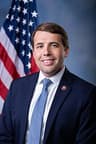
D· New Hampshire
YRS IN OFFICE
7
BILLS LED
56
COSPONSOR BREAKDOWNBIPARTISAN · 0%
DEM 0 REP 1 IND 0
ACTION TIMELINE
3 EVENTSFEB 2
Referred to the Subcommittee on Water Resources and Environment.
DEC 11
Introduced in House
DEC 11
Referred to the House Committee on Transportation and Infrastructure.
BILL INFO
TypeHouse Bill
NumberHR 6668
Congress119th
StatusIn Committee
IntroducedDec 11, 2025
Last actionFeb 2, 2026
READER REACTIONS
OVERALL SENTIMENT
No reactions yet. Be the first to weigh in.
Discussion
Loading comments...
IN COMMITTEE· 119TH CONGRESS · TRANSPORTATION AND INFRASTRUCTURE COMMITTEE · INTRODUCED DEC 11, 2025
House BillHR 6668Environmental Protection
Clean Water Standards for PFAS Act of 2025
INTRODUCED DEC 11, 2025· LAST ACTION FEB 2, 2026
PASSAGE CHANCES
—%
READING
6 min
COSPONSORS
1
COMPLEXITY
Moderate