Bills · HR 6663
IN COMMITTEE· 119TH CONGRESS
House BillHR 6663Education
Campus Free Speech Restoration Act
INTRO DEC 11· LAST ACTION DEC 11
READING
27MIN
COSPONSORS
0
READER REACTIONS0 TOTAL
NO VOTES YET · BE THE FIRST
- Introduced only
LEGISLATIVE PROGRESS
STEP 2 / 8Introduced
In Committee
Reported
Passed House
Passed Senate
Conference
To President
Became Law
WHAT THE BILL DOES
AI-writtenThis bill matters because it addresses ongoing debates about free speech on college campuses. If it becomes law, it would significantly impact the culture of expression at public universities, potentially leading to a more open, though possibly more contentious, environment for student speech. Voters concerned about what they perceive as suppression of conservative or unpopular viewpoints on campus might see this as a crucial step to protect fundamental rights.
Conversely, those who believe colleges need discretion to maintain a respectful and safe learning environment, or to prevent hate speech, might see it as overreach. Without this bill, colleges continue to operate under a variety of speech policies, which some argue allows for arbitrary restrictions, while others argue it's necessary for campus management. Its passage would mean a federal standard for free speech at public institutions, backed by powerful legal and financial incentives.
KEY PROVISIONS
5AI-extractedPROVISION 01
Public institutions of higher education cannot prohibit lawful, noncommercial expressive activity in generally accessible areas on campus.
This directly protects student expression and limits college control over public spaces where students gather.
PROVISION 02
Public institutions can only impose time, place, or manner restrictions on speech if they meet strict criteria, such as being content-neutral, viewpoint-neutral, and necessary for a compelling governmental interest.
This makes it difficult for public colleges to arbitrarily limit when, where, or how students express themselves.
PROVISION 03
Students whose speech rights are violated at a public institution can sue in federal court and may be awarded damages (at least $500 for an initial violation, plus legal fees).
This provides a strong legal mechanism for students to enforce their free speech rights against public colleges.
PROVISION 04
Public institutions that do not comply with these free speech protections will lose eligibility for all federal financial assistance under the Higher Education Act.
This creates a significant financial incentive for public colleges to adhere to the bill's free speech requirements.
PROVISION 05
Private institutions of higher education must be transparent about and responsible for their chosen speech policies.
This ensures students at private institutions know what speech rules apply to them, even if the rules themselves are not federally mandated.
SPONSORSHIP
1 + 0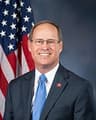
R· North Carolina
YRS IN OFFICE
7
BILLS LED
40
ACTION TIMELINE
2 EVENTSDEC 11
Introduced in House
DEC 11
Referred to the House Committee on Education and Workforce.
BILL INFO
TypeHouse Bill
NumberHR 6663
Congress119th
StatusIn Committee
IntroducedDec 11, 2025
Last actionDec 11, 2025
READER REACTIONS
OVERALL SENTIMENT
No reactions yet. Be the first to weigh in.
Discussion
Loading comments...
IN COMMITTEE· 119TH CONGRESS · EDUCATION AND WORKFORCE COMMITTEE · INTRODUCED DEC 11, 2025
House BillHR 6663Education
Campus Free Speech Restoration Act
INTRODUCED DEC 11, 2025· LAST ACTION DEC 11, 2025
PASSAGE CHANCES
—%
READING
27 min
COSPONSORS
0
COMPLEXITY
Moderate