Bills · HR 6539
IN COMMITTEE· 119TH CONGRESS
House BillHR 6539Emergency Management
STORM Act
INTRO DEC 9· LAST ACTION FEB 2
READING
5MIN
COSPONSORS
0
READER REACTIONS0 TOTAL
NO VOTES YET · BE THE FIRST
- Introduced only
LEGISLATIVE PROGRESS
STEP 2 / 8Introduced
In Committee
Reported
Passed House
Passed Senate
Conference
To President
Became Law
WHAT THE BILL DOES
AI-writtenThis bill matters because during major emergencies, like the recent pandemic, there can be a critical shortage of healthcare staff in affected areas, and getting help from other states is often slow due to differing state licensing rules. This bill aims to solve that problem by creating a formal, faster way to bring in licensed medical personnel from outside a state through private technology platforms.
If this bill becomes law, it could mean much quicker and more effective medical responses during national emergencies, potentially saving lives and improving public health outcomes. If it doesn't pass, the current system, which can be slower and less coordinated for mobilizing out-of-state healthcare workers, would remain, possibly leading to delays in critical care during future crises.
KEY PROVISIONS
4AI-extractedPROVISION 01
Allows the President to certify and partner with private technology platforms that connect independent, licensed healthcare workers for emergency response.
This formalizes the use of private sector innovation to quickly scale up healthcare staffing during crises.
PROVISION 02
Authorizes the President to coordinate with states to waive out-of-state licensure requirements for healthcare workers responding through these platforms during emergencies.
This removes a significant barrier to rapidly deploying medical professionals where they are most needed across state lines.
PROVISION 03
Provides liability protections for independent contractor healthcare workers and the platforms for actions taken during an emergency response, with exceptions for willful misconduct or gross negligence.
This encourages participation by reducing the personal and corporate legal risks associated with emergency service.
PROVISION 04
Requires the President to submit annual reports to Congress on the use of state licensure waivers and challenges encountered.
This ensures transparency and allows for oversight and continuous improvement of the emergency response system.
SPONSORSHIP
1 + 0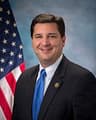
R· North Carolina
YRS IN OFFICE
11
BILLS LED
30
ACTION TIMELINE
3 EVENTSFEB 2
Referred to the Subcommittee on Economic Development, Public Buildings, and Emergency Management.
DEC 9
Introduced in House
DEC 9
Referred to the House Committee on Transportation and Infrastructure.
BILL INFO
TypeHouse Bill
NumberHR 6539
Congress119th
StatusIn Committee
IntroducedDec 9, 2025
Last actionFeb 2, 2026
READER REACTIONS
OVERALL SENTIMENT
No reactions yet. Be the first to weigh in.
Discussion
Loading comments...
IN COMMITTEE· 119TH CONGRESS · TRANSPORTATION AND INFRASTRUCTURE COMMITTEE · INTRODUCED DEC 9, 2025
House BillHR 6539Emergency Management
STORM Act
INTRODUCED DEC 9, 2025· LAST ACTION FEB 2, 2026
PASSAGE CHANCES
—%
READING
5 min
COSPONSORS
0
COMPLEXITY
Moderate