Bills · HR 6446
IN COMMITTEE· 119TH CONGRESS
House BillHR 6446Foreign Trade and International Finance
To modify the procedures for investigating claims of evasion of antidumping and countervailing duty orders.
INTRO DEC 4· LAST ACTION DEC 4
READING
1MIN
COSPONSORS
8BIPARTISAN
READER REACTIONS0 TOTAL
NO VOTES YET · BE THE FIRST
- Introduced only
LEGISLATIVE PROGRESS
STEP 2 / 8Introduced
In Committee
Reported
Passed House
Passed Senate
Conference
To President
Became Law
WHAT THE BILL DOES
AI-writtenThis bill matters because it could make it easier for the U.S. government to enforce trade laws and collect import taxes that are designed to protect American industries from unfair competition. If it becomes law, it means that companies suspected of cheating on these taxes might be caught sooner, as Customs can act proactively. It also means that companies found to be evading duties will have to pay those amounts upfront if they want to appeal the decision in court, which could deter prolonged legal battles purely to avoid payment. If it doesn't become law, the current system remains, where Customs relies more on external complaints to start investigations, and companies can challenge evasion findings in court without necessarily paying the disputed duties first.
KEY PROVISIONS
2AI-extractedPROVISION 01
Allows the Commissioner of U.S. Customs and Border Protection to start investigations into duty evasion on their own initiative.
This gives Customs greater flexibility and proactive power to address suspected evasion, potentially leading to quicker action against illegal trade practices.
PROVISION 02
Requires a person found to have evaded duties to pay all determined duties and fees before they can seek judicial review of that finding.
This ensures that companies must fulfill their financial obligations before challenging the government's decision in court, potentially streamlining the collection of owed duties.
SPONSORSHIP
1 + 8
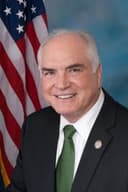
R· Pennsylvania
YRS IN OFFICE
15
BILLS LED
34
COSPONSOR BREAKDOWNBIPARTISAN · 75%
DEM 5 REP 3 IND 0
ACTION TIMELINE
2 EVENTSDEC 4
Introduced in House
DEC 4
Referred to the House Committee on Ways and Means.
BILL INFO
TypeHouse Bill
NumberHR 6446
Congress119th
StatusIn Committee
IntroducedDec 4, 2025
Last actionDec 4, 2025
READER REACTIONS
OVERALL SENTIMENT
No reactions yet. Be the first to weigh in.
Discussion
Loading comments...
IN COMMITTEE· 119TH CONGRESS · WAYS AND MEANS COMMITTEE · INTRODUCED DEC 4, 2025
House BillHR 6446Foreign Trade and International Finance
To modify the procedures for investigating claims of evasion of antidumping and countervailing duty orders.
INTRODUCED DEC 4, 2025· LAST ACTION DEC 4, 2025
PASSAGE CHANCES
—%
READING
1 min
COSPONSORS
8
COMPLEXITY
Moderate