Bills · HR 6432
IN COMMITTEE· 119TH CONGRESS
House BillHR 6432Environmental Protection
Brownfields Reauthorization Act of 2025
INTRO DEC 4· LAST ACTION FEB 2
READING
2MIN
COSPONSORS
3BIPARTISAN
READER REACTIONS0 TOTAL
NO VOTES YET · BE THE FIRST
- Introduced only
LEGISLATIVE PROGRESS
STEP 2 / 8Introduced
In Committee
Reported
Passed House
Passed Senate
Conference
To President
Became Law
WHAT THE BILL DOES
AI-writtenThis bill matters because it deals with cleaning up 'brownfields' – old industrial or commercial properties that are contaminated and sit unused, often in urban areas. These sites can pose health risks to nearby residents, attract crime, and generally depress property values.
If this bill becomes law, more money would be available to clean up these sites, making them safe for redevelopment. This can lead to new businesses, jobs, housing, and green spaces, revitalizing communities and improving public health. Without this bill, or a similar reauthorization, federal funding for these cleanup efforts could dry up or remain at lower levels, leaving many contaminated sites untouched and hindering community growth and environmental protection.
KEY PROVISIONS
4AI-extractedPROVISION 01
Increases the maximum grant amount for cleaning up a single brownfield site from $500,000 to $1,000,000.
This allows communities to tackle larger or more expensive cleanup projects that were previously out of reach with smaller grants.
PROVISION 02
Reauthorizes and increases overall funding for brownfields revitalization to $250,000,000 annually for fiscal years 2026 through 2030.
This provides a significant and sustained boost to the national effort to clean up and redevelop contaminated sites.
PROVISION 03
Extends the authorization for state response programs, allowing them to continue receiving federal grants from 2026 through 2030.
This ensures states have ongoing financial support to manage their own cleanup initiatives and address local environmental concerns.
PROVISION 04
Expands how states can use their program grants to 'implement' rather than just 'establish or enhance' their response programs.
This provides states with more flexibility to use funds for the ongoing operation and execution of their environmental cleanup efforts.
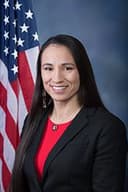
SPONSORSHIP
1 + 3
D· Kansas
YRS IN OFFICE
7
BILLS LED
28
COSPONSOR BREAKDOWNBIPARTISAN · 67%
DEM 2 REP 1 IND 0
ACTION TIMELINE
3 EVENTSFEB 2
Referred to the Subcommittee on Water Resources and Environment.
DEC 4
Introduced in House
DEC 4
Referred to the Committee on Energy and Commerce, and in addition to the Committee on Transportation and Infrastructure, for a period to be subsequently determined by the Speaker, in each case for consideration of such provisions as fall within the jurisdiction of the committee concerned.
BILL INFO
TypeHouse Bill
NumberHR 6432
Congress119th
StatusIn Committee
IntroducedDec 4, 2025
Last actionFeb 2, 2026
READER REACTIONS
OVERALL SENTIMENT
No reactions yet. Be the first to weigh in.
Discussion
Loading comments...
IN COMMITTEE· 119TH CONGRESS · TRANSPORTATION AND INFRASTRUCTURE COMMITTEE · INTRODUCED DEC 4, 2025
House BillHR 6432Environmental Protection
Brownfields Reauthorization Act of 2025
INTRODUCED DEC 4, 2025· LAST ACTION FEB 2, 2026
PASSAGE CHANCES
—%
READING
2 min
COSPONSORS
3
COMPLEXITY
Moderate