Bills · HR 6428
REPORTED· 119TH CONGRESS
House BillHR 6428Area studies and international educationDiplomacy, foreign officials, Americans abroad
To require the Secretary of State to submit a report on participation in educational and cultural exchange programs.
INTRO DEC 4· LAST ACTION MAR 26
READING
4MIN
COSPONSORS
6BIPARTISAN
READER REACTIONS0 TOTAL
NO VOTES YET · BE THE FIRST
- Reported, not passed
LEGISLATIVE PROGRESS
STEP 3 / 8Introduced
In Committee
Reported
Passed House
Passed Senate
Conference
To President
Became Law
WHAT THE BILL DOES
AI-writtenThis bill matters because it aims to provide a clearer picture of how effective U.S. international exchange programs are at building relationships and promoting American values around the world. In an era of increased global competition, especially with countries like China actively expanding their own influence through similar programs, understanding the impact of these exchanges is crucial for U.S. foreign policy.
If this bill becomes law, Congress will regularly receive data showing whether these "soft power" tools are truly working to strengthen diplomatic ties and advance U.S. strategic interests. If it doesn't become law, the U.S. might continue to fund these programs without a comprehensive, recurring assessment of their actual impact and how they stack up against competitor nations' efforts, potentially leading to less effective foreign policy decisions.
KEY PROVISIONS
5AI-extractedPROVISION 01
Requires the Secretary of State to submit a report on educational and cultural exchange programs every five years, starting 180 days after the bill becomes law.
Ensures regular oversight and evaluation of these programs' effectiveness.
PROVISION 02
Mandates the report to include participation data for both U.S.-sponsored exchange programs and those sponsored or funded by the People's Republic of China.
Provides a comparative view of U.S. and Chinese "soft power" efforts globally.
PROVISION 03
Details specific metrics for U.S. programs, including participant demographics, funding, and changes in participants' opinions of the U.S. and its values.
Allows for a data-driven assessment of program success in achieving diplomatic goals.
PROVISION 04
Requires an analysis of participation trends and the overall impact of both U.S. and Chinese programs on diplomatic standing and strategic influence.
Helps Congress understand the broader implications of these programs for U.S. foreign policy.
PROVISION 05
Defines "appropriate congressional committees" as the House Committee on Foreign Affairs and the Senate Committee on Foreign Relations.
Clarifies which committees will receive and use the information for legislative purposes.
SPONSORSHIP
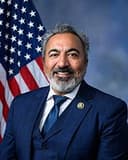
1 + 6
D· California
YRS IN OFFICE
13
BILLS LED
26
COSPONSOR BREAKDOWNBIPARTISAN · 66%
DEM 4 REP 2 IND 0
ACTION TIMELINE
4 EVENTSMAR 26
Committee Consideration and Mark-up Session Held
MAR 26
Ordered to be Reported in the Nature of a Substitute by the Yeas and Nays: 42 - 3.
DEC 4
Introduced in House
DEC 4
Referred to the House Committee on Foreign Affairs.
BILL INFO
TypeHouse Bill
NumberHR 6428
Congress119th
StatusReported
IntroducedDec 4, 2025
Last actionMar 26, 2026
READER REACTIONS
OVERALL SENTIMENT
No reactions yet. Be the first to weigh in.
Discussion
Loading comments...
REPORTED· 119TH CONGRESS · FOREIGN AFFAIRS COMMITTEE · INTRODUCED DEC 4, 2025
House BillHR 6428Area studies and international educationDiplomacy, foreign officials, Americans abroad
To require the Secretary of State to submit a report on participation in educational and cultural exchange programs.
INTRODUCED DEC 4, 2025· LAST ACTION MAR 26, 2026
PASSAGE CHANCES
—%
READING
4 min
COSPONSORS
6
COMPLEXITY
Moderate