Bills · HR 6405
IN COMMITTEE· 119TH CONGRESS
House BillHR 6405International Affairs
Arms Sale Oversight Act
INTRO DEC 3· LAST ACTION DEC 3
READING
5MIN
COSPONSORS
3
READER REACTIONS0 TOTAL
NO VOTES YET · BE THE FIRST
- Introduced only
LEGISLATIVE PROGRESS
STEP 2 / 8Introduced
In Committee
Reported
Passed House
Passed Senate
Conference
To President
Became Law
WHAT THE BILL DOES
AI-writtenVoters should care about this bill because it shifts some power over U.S. foreign policy from the President to Congress, specifically regarding arms sales. If this bill becomes law, it means that individual members of the House will have a greater ability to challenge and potentially halt arms deals that they believe are harmful or go against American values.
This could lead to more scrutiny of U.S. weapons exports, potentially preventing sales to countries with poor human rights records or those involved in conflicts that the public might oppose. Without this bill, it remains harder for Congress to stop a President's proposed arms sale, meaning fewer such sales might be blocked even if a significant number of representatives object.
KEY PROVISIONS
5AI-extractedPROVISION 01
Requires a House committee to report a resolution blocking an arms sale within 10 calendar days, or members can force a vote to bring it to the floor.
This speeds up the process for Congress to act on arms sales, preventing resolutions from being stalled indefinitely in committee.
PROVISION 02
Allows an individual member to make a 'motion to discharge' the committee if the 10-day limit is missed, forcing the resolution onto the House floor.
This empowers individual members to push for a vote even if committee leadership is reluctant.
PROVISION 03
Limits debate on a resolution blocking an arms sale to a maximum of 10 hours on the House floor.
This ensures a timely vote on the resolution once it reaches the floor, preventing lengthy delays.
PROVISION 04
Prohibits amendments or motions to send the resolution back to committee once it is being debated on the House floor.
This streamlines the voting process, ensuring a direct up-or-down vote on the original resolution to block a sale.
PROVISION 05
Applies these new expedited procedures to resolutions blocking defense article/service sales, export licenses, and technical assistance/manufacturing agreements.
This ensures comprehensive congressional oversight over various forms of U.S. military-related assistance and exports.
SPONSORSHIP
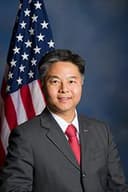
1 + 3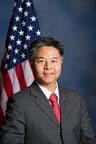
D· California
YRS IN OFFICE
11
BILLS LED
46
COSPONSOR BREAKDOWNBIPARTISAN · 0%
DEM 3 REP 0 IND 0
ACTION TIMELINE
2 EVENTSDEC 3
Introduced in House
DEC 3
Referred to the Committee on Foreign Affairs, and in addition to the Committee on Rules, for a period to be subsequently determined by the Speaker, in each case for consideration of such provisions as fall within the jurisdiction of the committee concerned.
BILL INFO
TypeHouse Bill
NumberHR 6405
Congress119th
StatusIn Committee
IntroducedDec 3, 2025
Last actionDec 3, 2025
READER REACTIONS
OVERALL SENTIMENT
No reactions yet. Be the first to weigh in.
Discussion
Loading comments...
IN COMMITTEE· 119TH CONGRESS · FOREIGN AFFAIRS COMMITTEE · INTRODUCED DEC 3, 2025
House BillHR 6405International Affairs
Arms Sale Oversight Act
INTRODUCED DEC 3, 2025· LAST ACTION DEC 3, 2025
PASSAGE CHANCES
—%
READING
5 min
COSPONSORS
3
COMPLEXITY
Moderate