Bills · HR 6403
IN COMMITTEE· 119TH CONGRESS
House BillHR 6403Housing and Community Development
Homeless Children and Youth Act of 2025
INTRO DEC 3· LAST ACTION DEC 3
READING
14MIN
COSPONSORS
6
READER REACTIONS0 TOTAL
NO VOTES YET · BE THE FIRST
- Introduced only
LEGISLATIVE PROGRESS
STEP 2 / 8Introduced
In Committee
Reported
Passed House
Passed Senate
Conference
To President
Became Law
WHAT THE BILL DOES
AI-writtenThis bill matters because it would broaden the safety net for vulnerable Americans, ensuring that more people experiencing homelessness are recognized and can access essential services. By expanding the definition of homelessness, it addresses the issue of 'invisible homelessness,' where individuals, especially children and youth, might be without stable housing but not living on the streets or in traditional shelters, and thus not previously eligible for some aid. This could lead to more children and youth receiving educational support, housing assistance, and other critical resources.
Additionally, the bill's focus on public data transparency is important for understanding the true scope of homelessness. Making community-wide homelessness data publicly available could help policymakers, service providers, and the public identify needs, allocate resources more effectively, and track progress in addressing homelessness. If this bill doesn't become law, many individuals in precarious living situations might continue to be excluded from federal assistance, and comprehensive data on homelessness might remain less accessible, hindering efforts to address the issue effectively.
KEY PROVISIONS
5AI-extractedPROVISION 01
Changes the definition of homelessness to include individuals temporarily staying with others for up to 30 days, extending it from 14 days.
This helps more people who are 'couch-surfing' or in unstable, temporary living situations qualify for assistance.
PROVISION 02
Allows children and youth defined as homeless under other federal programs (like Head Start or Runaway and Homeless Youth Act) to be automatically recognized as homeless under the McKinney-Vento Act.
This streamlines access to services by reducing bureaucratic barriers and aligning definitions across government programs.
PROVISION 03
Clarifies and expands the definition of homelessness to explicitly include individuals experiencing domestic violence, sexual assault, stalking, or human trafficking, and those with disabilities.
This ensures that particularly vulnerable populations have clear eligibility for homelessness assistance.
PROVISION 04
Requires the Department of Housing and Urban Development (HUD) to make community-wide homeless data (HMIS data) publicly available on its website at least once a year.
This increases transparency and provides valuable data for understanding and addressing homelessness nationwide.
PROVISION 05
Requires HUD to ensure that all individuals meeting any definition of homelessness under the Act are eligible for programs and that all proposed services for them are given equal priority.
This prevents HUD from creating rules that prioritize certain types of homelessness over others, ensuring equitable access to services.
SPONSORSHIP
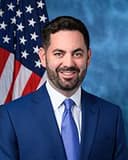
1 + 6
R· New York
YRS IN OFFICE
3
BILLS LED
123
COSPONSOR BREAKDOWNBIPARTISAN · 0%
DEM 6 REP 0 IND 0
ACTION TIMELINE
2 EVENTSDEC 3
Introduced in House
DEC 3
Referred to the Committee on Financial Services, and in addition to the Committee on Education and Workforce, for a period to be subsequently determined by the Speaker, in each case for consideration of such provisions as fall within the jurisdiction of the committee concerned.
BILL INFO
TypeHouse Bill
NumberHR 6403
Congress119th
StatusIn Committee
IntroducedDec 3, 2025
Last actionDec 3, 2025
READER REACTIONS
OVERALL SENTIMENT
No reactions yet. Be the first to weigh in.
Discussion
Loading comments...
IN COMMITTEE· 119TH CONGRESS · FINANCIAL SERVICES COMMITTEE · INTRODUCED DEC 3, 2025
House BillHR 6403Housing and Community Development
Homeless Children and Youth Act of 2025
INTRODUCED DEC 3, 2025· LAST ACTION DEC 3, 2025
PASSAGE CHANCES
—%
READING
14 min
COSPONSORS
6
COMPLEXITY
Moderate