Bills · HR 6390
IN COMMITTEE· 119TH CONGRESS
House BillHR 6390Taxation
Make Housing Affordable and Defend Democracy Act
INTRO DEC 3· LAST ACTION DEC 4
READING
43MIN
COSPONSORS
79
READER REACTIONS0 TOTAL
NO VOTES YET · BE THE FIRST
- Introduced only
LEGISLATIVE PROGRESS
STEP 2 / 8Introduced
In Committee
Reported
Passed House
Passed Senate
Conference
To President
Became Law
WHAT THE BILL DOES
AI-writtenThis bill matters because it proposes a massive redirection of federal resources, shifting over $175 billion away from immigration enforcement and border security programs. If passed, it would significantly alter how the U.S. manages its borders and handles immigration, potentially leading to fewer border agents, less new border infrastructure, and reduced capacity for immigrant detention. For voters, this means a fundamental change in federal spending priorities, moving funds away from areas that some consider crucial for national security and border control. While the bill's title suggests a focus on affordable housing, the details of those provisions are not available in this excerpt, leaving the full impact on housing unclear. Without this bill, the current funding for these immigration enforcement activities would remain as allocated.
KEY PROVISIONS
5AI-extractedPROVISION 01
Rescinds $46.55 billion from funds designated for border infrastructure and wall systems.
This would halt or reverse significant construction projects and reduce physical barriers at the border.
PROVISION 02
Rescinds $45 billion from funds intended for increasing detention capacity for immigrants.
This would limit the government's ability to detain individuals for immigration violations, potentially leading to alternative processing methods or releases.
PROVISION 03
Rescinds $29.85 billion for U.S. Immigration and Customs Enforcement (ICE) hiring and training.
This would severely impact ICE's ability to expand its workforce and maintain training programs for its officers.
PROVISION 04
Rescinds $4.1 billion for U.S. Customs and Border Protection (CBP) personnel and an additional $2.05 billion for their bonuses.
This would directly affect the staffing levels, recruitment, and morale of the primary agency responsible for securing the nation's borders.
PROVISION 05
Repeals various sections of a previous law related to immigration fees.
This would eliminate certain costs associated with immigration processes, potentially making them more accessible but also reducing government revenue from these fees.
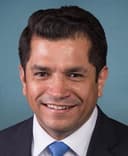
SPONSORSHIP
1 + 79
D· California
YRS IN OFFICE
9
BILLS LED
16
COSPONSOR BREAKDOWNBIPARTISAN · 0%
DEM 79 REP 0 IND 0
ACTION TIMELINE
4 EVENTSDEC 4
Referred to the Subcommittee on Border Security and Enforcement.
DEC 3
Introduced in House
DEC 3
Referred to the Committee on Ways and Means, and in addition to the Committees on Armed Services, Homeland Security, and the Judiciary, for a period to be subsequently determined by the Speaker, in each case for consideration of such provisions as fall within the jurisdiction of the committee concerned.
DEC 3
Referred to the Committee on Ways and Means, and in addition to the Committees on Armed Services, Homeland Security, and the Judiciary, for a period to be subsequently determined by the Speaker, in each case for consideration of such provisions as fall within the jurisdiction of the committee concerned.
BILL INFO
TypeHouse Bill
NumberHR 6390
Congress119th
StatusIn Committee
IntroducedDec 3, 2025
Last actionDec 4, 2025
READER REACTIONS
OVERALL SENTIMENT
No reactions yet. Be the first to weigh in.
Discussion
Loading comments...
IN COMMITTEE· 119TH CONGRESS · HOMELAND SECURITY COMMITTEE · INTRODUCED DEC 3, 2025
House BillHR 6390Taxation
Make Housing Affordable and Defend Democracy Act
INTRODUCED DEC 3, 2025· LAST ACTION DEC 4, 2025
PASSAGE CHANCES
—%
READING
43 min
COSPONSORS
79
COMPLEXITY
Moderate