Bills · HR 6216
IN COMMITTEE· 119TH CONGRESS
House BillHR 6216Foreign Trade and International Finance
Support Our Troops Shipping Relief Act of 2025
INTRO NOV 20· LAST ACTION NOV 20
READING
5MIN
COSPONSORS
0
READER REACTIONS0 TOTAL
NO VOTES YET · BE THE FIRST
- Introduced only
LEGISLATIVE PROGRESS
STEP 2 / 8Introduced
In Committee
Reported
Passed House
Passed Senate
Conference
To President
Became Law
WHAT THE BILL DOES
AI-writtenThis bill matters because it directly supports the well-being and morale of U.S. military personnel serving far from home. Receiving care packages from home is a significant morale booster, reminding service members that they are appreciated and remembered. By simplifying the shipping process, the bill removes unnecessary hurdles that have made it difficult, costly, and time-consuming for charitable groups to send these essential items.
If this bill becomes law, nonprofits can more efficiently deliver comfort items, leading to more frequent and reliable support for deployed troops. If it doesn't pass, these organizations will continue to struggle with cumbersome regulations, potentially reducing the number of packages sent and increasing delays, thereby impacting the vital connection between service members and the support they receive from home.
KEY PROVISIONS
5AI-extractedPROVISION 01
Exempts qualifying nonprofit organizations from tariffs and detailed reporting requirements (like HS codes and country-of-origin data) when sending humanitarian care packages to overseas troops.
This significantly reduces the financial burden and administrative complexity for charities supporting service members.
PROVISION 02
Defines what constitutes a "qualified nonprofit organization" and a "humanitarian care package" to ensure the exemption is targeted and used as intended.
This clarifies which organizations and types of shipments are eligible, preventing misuse of the exemption.
PROVISION 03
Directs the U.S. Postal Service (USPS) to treat eligible care packages as domestic mail for all rate, tariff, and customs purposes, regardless of their international destination.
This streamlines shipping logistics and can lead to lower costs and faster delivery for nonprofit organizations.
PROVISION 04
Requires USPS and U.S. Customs and Border Protection (CBP) to accept simplified manifests for these packages, allowing general descriptions of contents instead of item-by-item specifics.
This drastically reduces the paperwork burden for volunteers who assemble and ship care packages.
PROVISION 05
Mandates that the Postmaster General and the Secretary of the Treasury (through CBP) jointly issue regulations to implement these changes within 180 days of the bill's enactment.
This ensures a clear and timely framework is established for the new shipping rules to take effect.
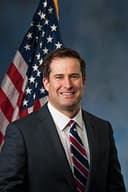
SPONSORSHIP
1 + 0
D· Massachusetts
YRS IN OFFICE
11
BILLS LED
22
ACTION TIMELINE
2 EVENTSNOV 20
Introduced in House
NOV 20
Referred to the Committee on Ways and Means, and in addition to the Committee on Oversight and Government Reform, for a period to be subsequently determined by the Speaker, in each case for consideration of such provisions as fall within the jurisdiction of the committee concerned.
BILL INFO
TypeHouse Bill
NumberHR 6216
Congress119th
StatusIn Committee
IntroducedNov 20, 2025
Last actionNov 20, 2025
READER REACTIONS
OVERALL SENTIMENT
No reactions yet. Be the first to weigh in.
Discussion
Loading comments...
IN COMMITTEE· 119TH CONGRESS · OVERSIGHT AND GOVERNMENT REFORM COMMITTEE · INTRODUCED NOV 20, 2025
House BillHR 6216Foreign Trade and International Finance
Support Our Troops Shipping Relief Act of 2025
INTRODUCED NOV 20, 2025· LAST ACTION NOV 20, 2025
PASSAGE CHANCES
—%
READING
5 min
COSPONSORS
0
COMPLEXITY
Moderate