Bills · HR 6133
IN COMMITTEE· 119TH CONGRESS
House BillHR 6133Education
Jumpstart on College Act
INTRO NOV 19· LAST ACTION NOV 19
READING
20MIN
COSPONSORS
1
READER REACTIONS0 TOTAL
NO VOTES YET · BE THE FIRST
- Introduced only
LEGISLATIVE PROGRESS
STEP 2 / 8Introduced
In Committee
Reported
Passed House
Passed Senate
Conference
To President
Became Law
WHAT THE BILL DOES
AI-writtenThis bill matters because it addresses the challenge of college affordability and completion rates, especially for students who might otherwise face barriers to higher education. If it becomes law, it could create more pathways for high school students to earn college credits or even an associate's degree without the full cost of traditional college tuition, potentially saving families thousands of dollars and reducing student loan debt. It could also help students transition more smoothly into college and increase their likelihood of completing a postsecondary credential.
Without this bill, the expansion of early college high schools and dual enrollment programs, particularly in underserved communities, might slow down or not happen at all due to lack of funding. It would mean fewer opportunities for students to get a jumpstart on their college education and fewer resources for schools and colleges to develop and sustain these beneficial programs. The bill aims to level the playing field by specifically prioritizing programs that serve a high percentage of low-income students and those in struggling high schools.
KEY PROVISIONS
5AI-extractedPROVISION 01
Authorizes $250 million annually for six years (FY 2026-2031) for grants to support early college and dual enrollment programs.
This provides significant federal financial backing to expand and establish programs that allow high school students to earn college credits.
PROVISION 02
Directs the Secretary of Education to award competitive grants to partnerships between colleges and K-12 schools for 6-year terms.
This establishes the mechanism for how funding will be distributed to eligible entities to implement these educational initiatives.
PROVISION 03
Requires grant recipients to contribute matching funds, starting at 20% in the first two years and increasing to 50% by the sixth year.
This ensures that local entities have a vested interest in the success and sustainability of the programs, rather than relying solely on federal funds.
PROVISION 04
Gives priority to grant applications that serve at least 51% low-income students or are from high schools identified for comprehensive support.
This targets the grants to areas and student populations most likely to benefit from early college and dual enrollment opportunities.
PROVISION 05
Mandates that grant funds be used for comprehensive student support services and professional development for both secondary and higher education faculty.
This ensures that programs are not just offering college courses but are also providing the necessary academic and social support for student success.
SPONSORSHIP
1 + 1
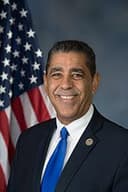
D· New York
YRS IN OFFICE
9
BILLS LED
47
COSPONSOR BREAKDOWNBIPARTISAN · 0%
DEM 1 REP 0 IND 0
ACTION TIMELINE
2 EVENTSNOV 19
Introduced in House
NOV 19
Referred to the House Committee on Education and Workforce.
BILL INFO
TypeHouse Bill
NumberHR 6133
Congress119th
StatusIn Committee
IntroducedNov 19, 2025
Last actionNov 19, 2025
READER REACTIONS
OVERALL SENTIMENT
No reactions yet. Be the first to weigh in.
Discussion
Loading comments...
IN COMMITTEE· 119TH CONGRESS · EDUCATION AND WORKFORCE COMMITTEE · INTRODUCED NOV 19, 2025
House BillHR 6133Education
Jumpstart on College Act
INTRODUCED NOV 19, 2025· LAST ACTION NOV 19, 2025
PASSAGE CHANCES
—%
READING
20 min
COSPONSORS
1
COMPLEXITY
Moderate