Bills · HR 6129
IN COMMITTEE· 119TH CONGRESS
House BillHR 6129Energy
Bidirectional Electric Vehicle Charging Act of 2025
INTRO NOV 19· LAST ACTION NOV 20
READING
4MIN
COSPONSORS
0
READER REACTIONS0 TOTAL
NO VOTES YET · BE THE FIRST
- Introduced only
LEGISLATIVE PROGRESS
STEP 2 / 8Introduced
In Committee
Reported
Passed House
Passed Senate
Conference
To President
Became Law
WHAT THE BILL DOES
AI-writtenVoters should care about this bill because it aims to fundamentally change how electric vehicles interact with our power grid. If this bill becomes law, it could make the electric grid more resilient and stable by allowing millions of parked EVs to act as a distributed energy storage system, helping to balance supply and demand.
It also offers a significant advantage for homeowners and communities during power outages, as EVs could provide essential backup power. Without this law, the adoption of two-way charging might be slower, less coordinated, and vary widely by manufacturer, potentially limiting these benefits and making emergency power solutions less accessible or standardized. This bill seeks to accelerate and standardize a technology with the potential to enhance energy security and efficiency for everyone.
KEY PROVISIONS
4AI-extractedPROVISION 01
Requires the Secretary of Energy to develop and publish a National Electric Vehicle Bidirectional Charging Roadmap within 12 months of the bill's enactment.
This establishes a clear plan and timeline for the development and use of two-way charging technology across the country.
PROVISION 02
Mandates the Secretary of Energy to issue regulations establishing technical standards for two-way charging and requiring all new electric vehicles (model year 2029 and later) to be capable of two-way charging.
This ensures compatibility across different vehicles and charging equipment and makes two-way charging a standard feature in future EVs.
PROVISION 03
Requires the Federal Emergency Management Agency (FEMA) to issue regulations for state and local hazard mitigation plans to incorporate two-way charging capabilities.
This integrates two-way charging EVs into disaster preparedness, allowing them to serve as potential backup power during emergencies.
PROVISION 04
Establishes civil penalties for manufacturers who violate the regulations regarding two-way charging standards and mandates.
This provides enforcement power to ensure compliance from vehicle manufacturers.
SPONSORSHIP
1 + 0
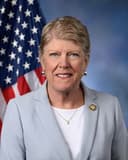
D· California
YRS IN OFFICE
13
BILLS LED
54
ACTION TIMELINE
3 EVENTSNOV 20
Referred to the Subcommittee on Economic Development, Public Buildings, and Emergency Management.
NOV 19
Introduced in House
NOV 19
Referred to the Committee on Energy and Commerce, and in addition to the Committee on Transportation and Infrastructure, for a period to be subsequently determined by the Speaker, in each case for consideration of such provisions as fall within the jurisdiction of the committee concerned.
BILL INFO
TypeHouse Bill
NumberHR 6129
Congress119th
StatusIn Committee
IntroducedNov 19, 2025
Last actionNov 20, 2025
READER REACTIONS
OVERALL SENTIMENT
No reactions yet. Be the first to weigh in.
Discussion
Loading comments...
IN COMMITTEE· 119TH CONGRESS · TRANSPORTATION AND INFRASTRUCTURE COMMITTEE · INTRODUCED NOV 19, 2025
House BillHR 6129Energy
Bidirectional Electric Vehicle Charging Act of 2025
INTRODUCED NOV 19, 2025· LAST ACTION NOV 20, 2025
PASSAGE CHANCES
—%
READING
4 min
COSPONSORS
0
COMPLEXITY
Moderate