Bills · HR 6106
IN COMMITTEE· 119TH CONGRESS
House BillHR 6106Crime and Law Enforcement
CLEAR Path Act
INTRO NOV 18· LAST ACTION NOV 18
READING
7MIN
COSPONSORS
2BIPARTISAN
READER REACTIONS0 TOTAL
NO VOTES YET · BE THE FIRST
- Introduced only
LEGISLATIVE PROGRESS
STEP 2 / 8Introduced
In Committee
Reported
Passed House
Passed Senate
Conference
To President
Became Law
WHAT THE BILL DOES
AI-writtenVoters should care about this bill because it addresses concerns about the 'revolving door' phenomenon, where former government officials might use their inside knowledge and connections to benefit foreign interests after leaving public service. If this bill becomes law, it aims to strengthen national security by reducing the potential for foreign governments, especially those identified as 'countries of concern,' to gain undue influence over U.S. policy through former high-ranking officials.
Without this bill, or similar legislation, there is a perceived risk that former officials could leverage their unique understanding of U.S. government operations and relationships for the benefit of foreign entities, potentially creating conflicts of interest or undermining U.S. foreign policy objectives. The bill's provisions, including the ability to update the list of 'countries of concern,' reflect an ongoing effort to adapt to evolving geopolitical challenges and protect U.S. interests from external influence.
KEY PROVISIONS
5AI-extractedPROVISION 01
Establishes an extended, permanent restriction preventing former Senate-confirmed executive branch officials from representing, aiding, or advising foreign governmental entities of 'countries of concern' before the U.S. government.
This aims to prevent former high-level officials from using their insider knowledge to influence U.S. policy on behalf of nations potentially hostile to U.S. interests.
PROVISION 02
Defines 'country of concern' by referencing existing law but explicitly excludes one specific country from this bill's restrictions.
This provision clarifies which foreign governments are subject to the new restrictions while making a specific exception for one nation.
PROVISION 03
Creates a mechanism allowing the Secretary of State, with Attorney General consultation, to propose changes to the list of 'countries of concern,' subject to Congressional approval.
This ensures the list of restricted countries can be updated over time to reflect changing international relations and national security needs.
PROVISION 04
Requires departments and agencies to provide notice of these restrictions to officials upon appointment and upon termination of service.
This ensures that affected officials are fully aware of their post-employment obligations and potential penalties.
PROVISION 05
Includes a sunset clause, meaning the new extended restrictions will expire five years after the bill's enactment date.
This provision sets a specific timeframe for the new restrictions, requiring future legislative action if they are to continue beyond five years.
SPONSORSHIP
1 + 2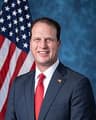
R· Texas
YRS IN OFFICE
5
BILLS LED
61
COSPONSOR BREAKDOWNBIPARTISAN · 100%
DEM 1 REP 1 IND 0
ACTION TIMELINE
2 EVENTSNOV 18
Introduced in House
NOV 18
Referred to the Committee on Foreign Affairs, and in addition to the Committees on the Judiciary, and Rules, for a period to be subsequently determined by the Speaker, in each case for consideration of such provisions as fall within the jurisdiction of the committee concerned.
BILL INFO
TypeHouse Bill
NumberHR 6106
Congress119th
StatusIn Committee
IntroducedNov 18, 2025
Last actionNov 18, 2025
READER REACTIONS
OVERALL SENTIMENT
No reactions yet. Be the first to weigh in.
Discussion
Loading comments...
IN COMMITTEE· 119TH CONGRESS · JUDICIARY COMMITTEE · INTRODUCED NOV 18, 2025
House BillHR 6106Crime and Law Enforcement
CLEAR Path Act
INTRODUCED NOV 18, 2025· LAST ACTION NOV 18, 2025
PASSAGE CHANCES
—%
READING
7 min
COSPONSORS
2
COMPLEXITY
Moderate