Bills · HR 600
IN COMMITTEE· 119TH CONGRESS
House BillHR 600International Affairs
WHO is Accountable Act
INTRO JAN 22· LAST ACTION JAN 22
READING
2MIN
COSPONSORS
6
READER REACTIONS0 TOTAL
NO VOTES YET · BE THE FIRST
- Introduced only
LEGISLATIVE PROGRESS
STEP 2 / 8Introduced
In Committee
Reported
Passed House
Passed Senate
Conference
To President
Became Law
WHAT THE BILL DOES
AI-writtenThis bill matters because it proposes a significant shift in the United States' relationship with the World Health Organization, a key global health body. If enacted, it could drastically reduce the WHO's budget and influence, potentially weakening its ability to respond to future pandemics and other international health crises that affect people worldwide. Voters should care because it impacts how the U.S. engages with global health challenges, which often have direct implications for national security and public health at home.
If this bill becomes law, U.S. funds and direct involvement with the WHO would be paused, signaling a potential withdrawal from or a significant re-evaluation of international health cooperation. If it does not become law, the U.S. would continue its current level of engagement and contributions to the WHO, maintaining its role in shaping global health policy alongside other nations.
KEY PROVISIONS
5AI-extractedPROVISION 01
Prohibits the use of federal funds to seek U.S. membership in the World Health Organization (WHO) or to provide contributions to it.
This provision is the core action of the bill, directly impacting the WHO's financial resources and the U.S.'s official relationship with the organization.
PROVISION 02
Requires the WHO to adopt reforms ensuring humanitarian assistance is not politicized and is given to those most in need.
This aims to change how the WHO distributes aid globally, ensuring fairness and effectiveness based on need.
PROVISION 03
Conditions the resumption of U.S. funding on the WHO not being under the control or significant "malign influence" of the Chinese Communist Party (CCP) and not involved in a CCP COVID-19 "coverup."
This provision addresses geopolitical concerns regarding the WHO's independence and its past actions related to the pandemic.
PROVISION 04
Demands the WHO grant observer status to Taiwan.
This is a specific diplomatic and political condition that has been a point of contention in international relations.
PROVISION 05
Requires the WHO to cease all funding for, engagement in, and messaging with respect to specific issues deemed "non-germane" to its directive, including "gender identity," climate change, and access to abortion.
This provision seeks to significantly narrow the scope of the WHO's activities and advocacy, aligning it with certain U.S. policy preferences.
SPONSORSHIP
1 + 6
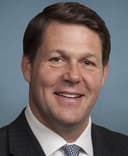
R· Texas
YRS IN OFFICE
9
BILLS LED
59
COSPONSOR BREAKDOWNBIPARTISAN · 0%
DEM 0 REP 6 IND 0
ACTION TIMELINE
2 EVENTSJAN 22
Introduced in House
JAN 22
Referred to the House Committee on Foreign Affairs.
BILL INFO
TypeHouse Bill
NumberHR 600
Congress119th
StatusIn Committee
IntroducedJan 22, 2025
Last actionJan 22, 2025
READER REACTIONS
OVERALL SENTIMENT
No reactions yet. Be the first to weigh in.
Discussion
Loading comments...
IN COMMITTEE· 119TH CONGRESS · FOREIGN AFFAIRS COMMITTEE · INTRODUCED JAN 22, 2025
House BillHR 600International Affairs
WHO is Accountable Act
INTRODUCED JAN 22, 2025· LAST ACTION JAN 22, 2025
PASSAGE CHANCES
—%
READING
2 min
COSPONSORS
6
COMPLEXITY
Moderate