Bills · HR 5955
IN COMMITTEE· 119TH CONGRESS
House BillHR 5955Foreign Trade and International Finance
BIS License Fee Prohibition Act
INTRO NOV 7· LAST ACTION NOV 7
READING
3MIN
COSPONSORS
1
READER REACTIONS0 TOTAL
NO VOTES YET · BE THE FIRST
- Introduced only
LEGISLATIVE PROGRESS
STEP 2 / 8Introduced
In Committee
Reported
Passed House
Passed Senate
Conference
To President
Became Law
WHAT THE BILL DOES
AI-writtenVoters should care about this bill because it aims to reduce the costs and regulatory burden on American businesses that export goods. If passed, it could make it cheaper for companies to send their products to international markets, potentially boosting their competitiveness and growth. It also addresses a constitutional principle against taxes on exports and aims to correct what some see as an existing violation of current law, ensuring the government does not collect fees that are already prohibited. If it doesn't pass, businesses will continue to pay these fees, which could impact their bottom line and potentially make American exports less competitive internationally.
KEY PROVISIONS
4AI-extractedPROVISION 01
Prohibits the Federal Government from collecting any fees, revenue-sharing, or other monetary arrangements for export licenses or authorizations after the bill becomes law.
This makes it free for businesses to obtain export licenses, reducing their operational costs for international trade.
PROVISION 02
Requires the Federal Government to return any fees previously collected for export licenses to the license holder within 30 days of the bill's enactment.
This provides financial compensation to businesses that have already paid these fees, correcting past collections.
PROVISION 03
Clarifies that no funds collected for export licenses, whether before or after the bill's enactment, can be used for any purpose other than being returned to the license holder.
This ensures that past collected fees are specifically earmarked for refunds and cannot be absorbed into general government budgets.
PROVISION 04
States that nothing in the bill should be interpreted to authorize any new export fees, specifically on semiconductors, or to suggest such fees are constitutional.
This preempts future attempts to introduce export fees and reinforces the constitutional and legal prohibitions against them.
SPONSORSHIP
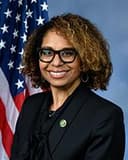
1 + 1
D· California
YRS IN OFFICE
3
BILLS LED
35
COSPONSOR BREAKDOWNBIPARTISAN · 0%
DEM 1 REP 0 IND 0
ACTION TIMELINE
2 EVENTSNOV 7
Introduced in House
NOV 7
Referred to the House Committee on Foreign Affairs.
BILL INFO
TypeHouse Bill
NumberHR 5955
Congress119th
StatusIn Committee
IntroducedNov 7, 2025
Last actionNov 7, 2025
READER REACTIONS
OVERALL SENTIMENT
No reactions yet. Be the first to weigh in.
Discussion
Loading comments...
IN COMMITTEE· 119TH CONGRESS · FOREIGN AFFAIRS COMMITTEE · INTRODUCED NOV 7, 2025
House BillHR 5955Foreign Trade and International Finance
BIS License Fee Prohibition Act
INTRODUCED NOV 7, 2025· LAST ACTION NOV 7, 2025
PASSAGE CHANCES
—%
READING
3 min
COSPONSORS
1
COMPLEXITY
Moderate