Bills · HR 593
IN COMMITTEE· 119TH CONGRESS
House BillHR 593Student aid and college costsMedical education
Strengthening Pathways to Health Professions Act
INTRO JAN 21· LAST ACTION JAN 21
READING
2MIN
COSPONSORS
7BIPARTISAN
READER REACTIONS0 TOTAL
NO VOTES YET · BE THE FIRST
- Introduced only
LEGISLATIVE PROGRESS
STEP 2 / 8Introduced
In Committee
Reported
Passed House
Passed Senate
Conference
To President
Became Law
WHAT THE BILL DOES
AI-writtenVoters should care about this bill because it aims to address critical shortages of healthcare professionals, especially in rural and underserved parts of the country. By making scholarship and loan repayment money tax-free, it makes these programs more financially appealing, potentially drawing more students into health professions and encouraging them to work where there's a great need.
If this bill becomes law, health professionals in these programs would see a greater financial benefit, as the full amount of their aid would go towards their education or debt, rather than a portion being lost to taxes. If it doesn't pass, these payments would continue to be taxed as income, reducing their overall value and potentially making it harder to attract and retain healthcare providers in areas with critical staffing needs. This could impact healthcare access and quality for many Americans.
KEY PROVISIONS
3AI-extractedPROVISION 01
Excludes certain federal health professional loan repayment program payments from gross income.
This makes specific federal programs more financially attractive for health professionals by allowing them to keep the full value of the loan repayment.
PROVISION 02
Excludes payments from state loan repayment or loan forgiveness programs aimed at increasing healthcare availability in underserved areas from gross income.
This encourages health professionals to participate in state programs that serve critical healthcare needs in specific communities.
PROVISION 03
Excludes payments from certain federal health professions education scholarship programs from gross income.
This increases the financial benefit of these scholarships, potentially attracting more students to health professions.
SPONSORSHIP
1 + 7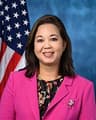
D· Hawaii
YRS IN OFFICE
3
BILLS LED
42
COSPONSOR BREAKDOWNBIPARTISAN · 85%
DEM 3 REP 4 IND 0
ACTION TIMELINE
2 EVENTSJAN 21
Introduced in House
JAN 21
Referred to the House Committee on Ways and Means.
BILL INFO
TypeHouse Bill
NumberHR 593
Congress119th
StatusIn Committee
IntroducedJan 21, 2025
Last actionJan 21, 2025
READER REACTIONS
OVERALL SENTIMENT
No reactions yet. Be the first to weigh in.
Discussion
Loading comments...
IN COMMITTEE· 119TH CONGRESS · WAYS AND MEANS COMMITTEE · INTRODUCED JAN 21, 2025
House BillHR 593Student aid and college costsMedical education
Strengthening Pathways to Health Professions Act
INTRODUCED JAN 21, 2025· LAST ACTION JAN 21, 2025
PASSAGE CHANCES
—%
READING
2 min
COSPONSORS
7
COMPLEXITY
Moderate