Bills · HR 5884
IN COMMITTEE· 119TH CONGRESS
House BillHR 5884Labor and Employment
TASK Act
INTRO OCT 31· LAST ACTION OCT 31
READING
1MIN
COSPONSORS
0
READER REACTIONS0 TOTAL
NO VOTES YET · BE THE FIRST
- Introduced only
LEGISLATIVE PROGRESS
STEP 2 / 8Introduced
In Committee
Reported
Passed House
Passed Senate
Conference
To President
Became Law
WHAT THE BILL DOES
AI-writtenThis bill matters because it changes the legal landscape for vocational education and how student labor is treated. If it becomes law, it clarifies that practical work required for a vocational credential is part of the educational process, not employment subject to federal wage and hour protections like minimum wage and overtime. This could make it easier and less costly for vocational schools to offer extensive hands-on training.
However, it also means that students performing these tasks might not receive compensation or be covered by the same protections as regular employees. Voters should care because it impacts both the cost and structure of vocational training programs and the rights and potential earnings of students pursuing these important skills. If it doesn't become law, the current interpretation of the FLSA would continue to apply, potentially requiring vocational schools to pay students for certain work performed as part of their training.
KEY PROVISIONS
3AI-extractedPROVISION 01
Amends Section 3(e) of the Fair Labor Standards Act of 1938 (FLSA) to modify the definition of 'employee'.
This directly changes who is covered by federal minimum wage, overtime, and other labor protections under the FLSA.
PROVISION 02
Adds a clause stating that an 'employee' does not include individuals performing tasks or services required by a postsecondary vocational institution.
This creates a specific exemption for vocational students, distinguishing their required training from traditional employment.
PROVISION 03
Specifies that the tasks must be performed to obtain a recognized postsecondary credential from the vocational institution.
This limits the scope of the exemption to specific educational goals and institutions, rather than all student work.
SPONSORSHIP
1 + 0
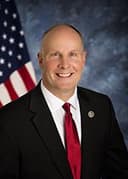
R· Michigan
YRS IN OFFICE
11
BILLS LED
49
ACTION TIMELINE
2 EVENTSOCT 31
Introduced in House
OCT 31
Referred to the House Committee on Education and Workforce.
BILL INFO
TypeHouse Bill
NumberHR 5884
Congress119th
StatusIn Committee
IntroducedOct 31, 2025
Last actionOct 31, 2025
READER REACTIONS
OVERALL SENTIMENT
No reactions yet. Be the first to weigh in.
Discussion
Loading comments...
IN COMMITTEE· 119TH CONGRESS · EDUCATION AND WORKFORCE COMMITTEE · INTRODUCED OCT 31, 2025
House BillHR 5884Labor and Employment
TASK Act
INTRODUCED OCT 31, 2025· LAST ACTION OCT 31, 2025
PASSAGE CHANCES
—%
READING
1 min
COSPONSORS
0
COMPLEXITY
Moderate