Bills · HR 5856
IN COMMITTEE· 119TH CONGRESS
House BillHR 5856Government Operations and Politics
District of Columbia Government Title Equality Act
INTRO OCT 28· LAST ACTION OCT 28
READING
4MIN
COSPONSORS
0
READER REACTIONS0 TOTAL
NO VOTES YET · BE THE FIRST
- Introduced only
LEGISLATIVE PROGRESS
STEP 2 / 8Introduced
In Committee
Reported
Passed House
Passed Senate
Conference
To President
Became Law
WHAT THE BILL DOES
AI-writtenThis bill matters because it represents a symbolic step in the ongoing debate about the District of Columbia's political status and its desire for greater self-governance, potentially leading to statehood. While it doesn't grant D.C. statehood or change its constitutional relationship with the federal government, giving its chief executive the title of 'Governor' and its legislative body the name 'Legislative Assembly' aligns its governmental structure more closely with that of a U.S. state. Voters might care as it reflects a push for D.C. to be seen as more equal to states, challenging its unique position under federal control. If this bill becomes law, it could strengthen D.C.'s argument for full statehood by adopting state-like nomenclature; if it doesn't, D.C. government titles would remain as they are, continuing to highlight its non-state status.
KEY PROVISIONS
5AI-extractedPROVISION 01
Redesignates the Office of the Mayor of the District of Columbia as the Office of the Governor of the District of Columbia.
This changes the title of D.C.'s chief executive to align with state executive titles.
PROVISION 02
Redesignates the Council of the District of Columbia as the Legislative Assembly of the District of Columbia.
This changes the title of D.C.'s primary legislative body to align with state legislative titles.
PROVISION 03
Redesignates the Chair of the Council of the District of Columbia as the Speaker of the Legislative Assembly of the District of Columbia.
This changes the title of the legislative body's presiding officer to align with state legislative titles.
PROVISION 04
Ensures that current officeholders automatically assume the new titles upon the bill's enactment.
This ensures a smooth transition without requiring new elections for the title changes.
PROVISION 05
Stipulates that all existing references to the old titles in laws, rules, and regulations will be deemed to refer to the new titles.
This prevents legal confusion and the need to individually update every piece of legislation or document.
SPONSORSHIP
1 + 0
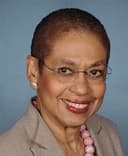
D· District of Columbia
YRS IN OFFICE
35
BILLS LED
114
ACTION TIMELINE
3 EVENTSOCT 28
Sponsor introductory remarks on measure. (CR E1009)
OCT 28
Introduced in House
OCT 28
Referred to the House Committee on Oversight and Government Reform.
BILL INFO
TypeHouse Bill
NumberHR 5856
Congress119th
StatusIn Committee
IntroducedOct 28, 2025
Last actionOct 28, 2025
READER REACTIONS
OVERALL SENTIMENT
No reactions yet. Be the first to weigh in.
Discussion
Loading comments...
IN COMMITTEE· 119TH CONGRESS · OVERSIGHT AND GOVERNMENT REFORM COMMITTEE · INTRODUCED OCT 28, 2025
House BillHR 5856Government Operations and Politics
District of Columbia Government Title Equality Act
INTRODUCED OCT 28, 2025· LAST ACTION OCT 28, 2025
PASSAGE CHANCES
—%
READING
4 min
COSPONSORS
0
COMPLEXITY
Moderate