Bills · HR 5808
IN COMMITTEE· 119TH CONGRESS
House BillHR 5808International Affairs
Nigeria Religious Freedom Accountability Act of 2025
INTRO OCT 21· LAST ACTION OCT 21
READING
4MIN
COSPONSORS
0
READER REACTIONS0 TOTAL
NO VOTES YET · BE THE FIRST
- Introduced only
LEGISLATIVE PROGRESS
STEP 2 / 8Introduced
In Committee
Reported
Passed House
Passed Senate
Conference
To President
Became Law
WHAT THE BILL DOES
AI-writtenThis bill is important because it seeks to use U.S. diplomatic and economic power to address religious freedom issues in Nigeria. If it becomes law, it would signal a significant escalation in the U.S. government's stance, directly requiring the President to impose sanctions on Nigerian officials and terrorist groups, rather than leaving it to the discretion of the State Department. This could put direct pressure on Nigerian federal and state governments to reconsider their blasphemy laws and to more actively combat religiously-motivated violence.
For voters, this bill represents an attempt to hold foreign governments and individuals accountable for human rights abuses, specifically religious persecution, and to potentially reduce the suffering of those affected by such abuses in Nigeria. Without this bill, the U.S. government would retain more flexibility in its approach to Nigeria's religious freedom record, which might include less stringent measures or a different timing for actions.
KEY PROVISIONS
5AI-extractedPROVISION 01
Requires the Secretary of State to designate Nigeria as a "Country of Particular Concern" for religious freedom violations.
This is a formal condemnation by the U.S. government, triggering specific policy responses.
PROVISION 02
Mandates the President to impose sanctions (blocking property) on Nigerian federal officials, state governors, judges, and law enforcement involved in promoting/enforcing blasphemy laws or tolerating religiously-motivated violence.
This directly targets individuals deemed responsible for human rights abuses with financial penalties.
PROVISION 03
Requires the Secretary of State to designate Boko Haram and ISIS-West Africa as "Entities of Particular Concern."
This formalizes the U.S. condemnation of these groups for their religious freedom abuses.
PROVISION 04
Requires the Secretary of State to submit an annual report to Congress listing the Nigerian persons identified for sanctions.
This ensures ongoing monitoring and accountability, keeping the issue in public view.
PROVISION 05
Includes a waiver authority for the Secretary of State to forgo designations if specific conditions are met, such as the absence of designated terrorist groups and the non-enforcement of blasphemy laws.
This provides flexibility and an incentive for Nigeria to improve its religious freedom record.
SPONSORSHIP
1 + 0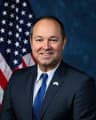
R· Indiana
YRS IN OFFICE
15
BILLS LED
15
ACTION TIMELINE
2 EVENTSOCT 21
Introduced in House
OCT 21
Referred to the Committee on Foreign Affairs, and in addition to the Committee on the Judiciary, for a period to be subsequently determined by the Speaker, in each case for consideration of such provisions as fall within the jurisdiction of the committee concerned.
BILL INFO
TypeHouse Bill
NumberHR 5808
Congress119th
StatusIn Committee
IntroducedOct 21, 2025
Last actionOct 21, 2025
READER REACTIONS
OVERALL SENTIMENT
No reactions yet. Be the first to weigh in.
Discussion
Loading comments...
IN COMMITTEE· 119TH CONGRESS · JUDICIARY COMMITTEE · INTRODUCED OCT 21, 2025
House BillHR 5808International Affairs
Nigeria Religious Freedom Accountability Act of 2025
INTRODUCED OCT 21, 2025· LAST ACTION OCT 21, 2025
PASSAGE CHANCES
—%
READING
4 min
COSPONSORS
0
COMPLEXITY
Moderate