Bills · HR 5779
IN COMMITTEE· 119TH CONGRESS
House BillHR 5779Labor and Employment
American Workforce Act
INTRO OCT 17· LAST ACTION OCT 17
READING
30MIN
COSPONSORS
0
READER REACTIONS0 TOTAL
NO VOTES YET · BE THE FIRST
- Introduced only
LEGISLATIVE PROGRESS
STEP 2 / 8Introduced
In Committee
Reported
Passed House
Passed Senate
Conference
To President
Became Law
WHAT THE BILL DOES
AI-writtenThis bill matters because it proposes a significant new federal effort to address the "skills gap" – the mismatch between the skills workers have and the skills employers need, particularly in technical trades and specific industries. If passed, it would offer a concrete alternative for young adults who find college too expensive or not suited to their career goals, providing a direct route to employment and a steady income. It could help boost economic growth by ensuring a more skilled workforce and offering businesses a pipeline of trained talent.
If this bill does not become law, the existing landscape of workforce development would continue, which includes a mix of state-run programs, private apprenticeships, and community college offerings, but without a unified, federally-backed program explicitly designed as a paid, full-time "alternative to college for all." This means individuals seeking non-college paths might face a more fragmented system, and employers might continue to struggle to find qualified candidates for certain positions.
KEY PROVISIONS
5AI-extractedPROVISION 01
Establishes the American Workforce Division within the Department of Commerce, led by a Presidentially appointed Director.
Creates a dedicated federal body to manage and oversee the new workforce development program.
PROVISION 02
Creates the American Workforce Program, which offers paid, full-time, on-the-job training combined with educational instruction.
Provides a structured, federally recognized pathway for individuals to gain skills and employment without a traditional college degree.
PROVISION 03
Defines "American workforce contracts" as agreements between employers and trainees for structured work and training, which must be approved by the Director.
Ensures formalization, oversight, and a clear framework for each training placement within the program.
PROVISION 04
Focuses on "competency-based credentials" awarded based on performance tests, without dictating how knowledge was acquired.
Emphasizes practical skills and abilities over traditional academic credits, making the program accessible and outcome-oriented.
PROVISION 05
Requires the Director to maintain a publicly accessible website for employers to post job demands and for prospective trainees to find and compare training opportunities.
Improves transparency and accessibility, connecting job seekers directly with training opportunities in high-demand fields.
SPONSORSHIP
1 + 0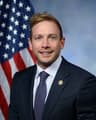
R· Ohio
YRS IN OFFICE
3
BILLS LED
27
ACTION TIMELINE
2 EVENTSOCT 17
Introduced in House
OCT 17
Referred to the House Committee on Education and Workforce.
BILL INFO
TypeHouse Bill
NumberHR 5779
Congress119th
StatusIn Committee
IntroducedOct 17, 2025
Last actionOct 17, 2025
READER REACTIONS
OVERALL SENTIMENT
No reactions yet. Be the first to weigh in.
Discussion
Loading comments...
IN COMMITTEE· 119TH CONGRESS · EDUCATION AND WORKFORCE COMMITTEE · INTRODUCED OCT 17, 2025
House BillHR 5779Labor and Employment
American Workforce Act
INTRODUCED OCT 17, 2025· LAST ACTION OCT 17, 2025
PASSAGE CHANCES
—%
READING
30 min
COSPONSORS
0
COMPLEXITY
Moderate