Bills · HR 5746
IN COMMITTEE· 119TH CONGRESS
House BillHR 5746Public Lands and Natural Resources
MARA Act of 2025
INTRO OCT 14· LAST ACTION OCT 14
READING
52MIN
COSPONSORS
8BIPARTISAN
READER REACTIONS0 TOTAL
NO VOTES YET · BE THE FIRST
- Introduced only
LEGISLATIVE PROGRESS
STEP 2 / 8Introduced
In Committee
Reported
Passed House
Passed Senate
Conference
To President
Became Law
WHAT THE BILL DOES
AI-writtenThis bill matters because it seeks to change where a significant portion of America's seafood comes from. Currently, the U.S. imports a lot of its seafood. If this bill passes, it could lead to a major expansion of offshore seafood farming within U.S. waters, creating a domestic source for fish and shellfish. This could mean more jobs in coastal areas, less reliance on imported seafood, and potentially a more stable and transparent supply chain for consumers.
If it doesn't pass, the growth of offshore aquaculture in the U.S. would likely remain slower and more fragmented, potentially leaving the U.S. more dependent on foreign seafood sources. The bill also aims to gather crucial scientific data to ensure that any expansion of ocean farming is done responsibly and doesn't harm the marine environment, which is a key concern for many.
KEY PROVISIONS
5AI-extractedPROVISION 01
Establishes an assessment program for commercial-scale offshore aquaculture, run by NOAA, using demonstration projects to gather scientific information.
It provides a structured way to research and understand the environmental and operational aspects of large-scale ocean farming before widespread implementation.
PROVISION 02
Creates Aquaculture Centers of Excellence to support the growing domestic aquaculture industry with research, training, and resources.
These centers would serve as hubs for innovation and knowledge transfer, helping to build a skilled workforce and advance the industry.
PROVISION 03
Supports aquaculture workforce development and working waterfronts, aiming to create new jobs and preserve coastal areas vital for marine businesses.
This provision focuses on the human and community impact, ensuring that economic benefits are shared and traditional marine infrastructure is maintained.
PROVISION 04
Requires studies and reports on offshore aquaculture by the Ocean Studies Board of the National Academies and the Government Accountability Office (GAO).
These independent assessments provide critical insights and oversight, helping policymakers and the public understand the potential benefits and risks.
PROVISION 05
Establishes an Office of Aquaculture within the National Oceanic and Atmospheric Administration (NOAA).
It creates a dedicated department within NOAA to manage and oversee the development and regulation of the aquaculture industry.
SPONSORSHIP
1 + 8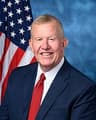
R· Mississippi
YRS IN OFFICE
3
BILLS LED
29
COSPONSOR BREAKDOWNBIPARTISAN · 100%
DEM 4 REP 4 IND 0
ACTION TIMELINE
2 EVENTSOCT 14
Introduced in House
OCT 14
Referred to the Committee on Natural Resources, and in addition to the Committee on Education and Workforce, for a period to be subsequently determined by the Speaker, in each case for consideration of such provisions as fall within the jurisdiction of the committee concerned.
BILL INFO
TypeHouse Bill
NumberHR 5746
Congress119th
StatusIn Committee
IntroducedOct 14, 2025
Last actionOct 14, 2025
READER REACTIONS
OVERALL SENTIMENT
No reactions yet. Be the first to weigh in.
Discussion
Loading comments...
IN COMMITTEE· 119TH CONGRESS · NATURAL RESOURCES COMMITTEE · INTRODUCED OCT 14, 2025
House BillHR 5746Public Lands and Natural Resources
MARA Act of 2025
INTRODUCED OCT 14, 2025· LAST ACTION OCT 14, 2025
PASSAGE CHANCES
—%
READING
52 min
COSPONSORS
8
COMPLEXITY
Moderate