Bills · HR 5708
IN COMMITTEE· 119TH CONGRESS
House BillHR 5708Government Operations and Politics
Federal Employees Civil Relief Act
INTRO OCT 8· LAST ACTION OCT 8
READING
15MIN
COSPONSORS
15
READER REACTIONS0 TOTAL
NO VOTES YET · BE THE FIRST
- Introduced only
LEGISLATIVE PROGRESS
STEP 2 / 8Introduced
In Committee
Reported
Passed House
Passed Senate
Conference
To President
Became Law
WHAT THE BILL DOES
AI-writtenThis bill matters to voters because it addresses the financial instability many federal workers and their families face during government shutdowns or debt limit crises, which can happen unexpectedly and are outside of their control. Without pay, these individuals can quickly fall behind on essential bills, leading to evictions, foreclosures, and damaged credit. If passed, this law would provide a safety net, offering peace of mind and preventing widespread economic hardship among a significant portion of the workforce.
If this bill becomes law, federal workers would have legal recourse to protect their homes and finances during periods of federal government instability, reducing the ripple effect of such events on local economies and individual lives. If it doesn't pass, federal employees and contractors would continue to bear the full brunt of financial obligations during shutdowns, potentially leading to increased personal bankruptcies, homelessness, and broader economic strain in communities heavily reliant on federal employment.
KEY PROVISIONS
4AI-extractedPROVISION 01
Allows furloughed federal workers and contractors to apply to a court for temporary delays on civil obligations like rent, mortgages, taxes, and student loan payments during a government shutdown or debt limit breach.
This provides a crucial financial safety net for workers whose income is disrupted by government instability.
PROVISION 02
Prevents landlords from evicting federal workers from their homes during a shutdown without a court order, and requires courts to pause eviction proceedings if the worker's ability to pay is affected.
This protects federal workers and their families from losing their homes due to circumstances beyond their control.
PROVISION 03
Prohibits foreclosures and seizures of property owned by federal workers during a shutdown or debt limit breach, and requires courts to stay foreclosure proceedings or adjust obligations.
This safeguards federal workers' property and prevents them from losing assets due to missed payments during unpaid periods.
PROVISION 04
Requires government agencies to inform federal workers and contractors of these relief benefits when they are hired and when a shutdown begins.
This ensures that affected individuals are aware of their rights and can utilize the protections available to them.
SPONSORSHIP
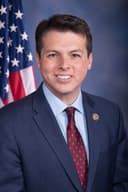
1 + 15
D· Pennsylvania
YRS IN OFFICE
11
BILLS LED
21
COSPONSOR BREAKDOWNBIPARTISAN · 0%
DEM 15 REP 0 IND 0
ACTION TIMELINE
2 EVENTSOCT 8
Introduced in House
OCT 8
Referred to the Committee on Oversight and Government Reform, and in addition to the Committees on Financial Services, Ways and Means, the Judiciary, Education and Workforce, and House Administration, for a period to be subsequently determined by the Speaker, in each case for consideration of such provisions as fall within the jurisdiction of the committee concerned.
BILL INFO
TypeHouse Bill
NumberHR 5708
Congress119th
StatusIn Committee
IntroducedOct 8, 2025
Last actionOct 8, 2025
READER REACTIONS
OVERALL SENTIMENT
No reactions yet. Be the first to weigh in.
Discussion
Loading comments...
IN COMMITTEE· 119TH CONGRESS · OVERSIGHT AND GOVERNMENT REFORM COMMITTEE · INTRODUCED OCT 8, 2025
House BillHR 5708Government Operations and Politics
Federal Employees Civil Relief Act
INTRODUCED OCT 8, 2025· LAST ACTION OCT 8, 2025
PASSAGE CHANCES
—%
READING
15 min
COSPONSORS
15
COMPLEXITY
Moderate