Bills · HR 567
IN COMMITTEE· 119TH CONGRESS
House BillHR 567State and local government operationsLabor-management relations
Expanding Labor Representation in the Workforce System Act
INTRO JAN 20· LAST ACTION JAN 20
READING
2MIN
COSPONSORS
2BIPARTISAN
READER REACTIONS0 TOTAL
NO VOTES YET · BE THE FIRST
- Introduced only
LEGISLATIVE PROGRESS
STEP 2 / 8Introduced
In Committee
Reported
Passed House
Passed Senate
Conference
To President
Became Law
WHAT THE BILL DOES
AI-writtenThis bill matters because Workforce Development Boards make important decisions about how billions of dollars in federal funds are used to help people find jobs, gain new skills, and advance their careers. These boards determine local and state workforce strategies, identify in-demand jobs, and oversee job training programs.
If this bill becomes law, it means that the voices of workers and their representatives would have a significantly stronger role in shaping these policies and programs. This could lead to a greater focus on issues like fair wages, safe working conditions, and relevant job training that directly addresses worker needs. If the bill does not become law, the current 20% minimum labor representation would remain, and the broader definition of 'labor organization' would not be adopted, potentially leaving certain worker groups with less influence over workforce development initiatives.
KEY PROVISIONS
3AI-extractedPROVISION 01
Increases the minimum labor representation on State Workforce Development Boards from 20% to 30%.
This gives labor organizations a larger, more influential voice in setting statewide job training and employment policies.
PROVISION 02
Increases the minimum labor representation on Local Workforce Development Boards from 20% to 30%.
This ensures that labor perspectives have greater weight in local decisions about specific job training programs and services.
PROVISION 03
Expands the definition of 'labor organization' to include federations of unions and organizations representing public sector, railway, and agricultural workers.
This makes a wider range of worker groups eligible for representation on these boards, broadening the scope of worker interests included.
SPONSORSHIP
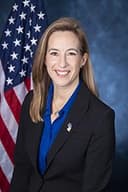
1 + 2
D· New Jersey
YRS IN OFFICE
7
BILLS LED
21
COSPONSOR BREAKDOWNBIPARTISAN · 100%
DEM 1 REP 1 IND 0
ACTION TIMELINE
2 EVENTSJAN 20
Introduced in House
JAN 20
Referred to the House Committee on Education and Workforce.
BILL INFO
TypeHouse Bill
NumberHR 567
Congress119th
StatusIn Committee
IntroducedJan 20, 2025
Last actionJan 20, 2025
READER REACTIONS
OVERALL SENTIMENT
No reactions yet. Be the first to weigh in.
Discussion
Loading comments...
IN COMMITTEE· 119TH CONGRESS · EDUCATION AND WORKFORCE COMMITTEE · INTRODUCED JAN 20, 2025
House BillHR 567State and local government operationsLabor-management relations
Expanding Labor Representation in the Workforce System Act
INTRODUCED JAN 20, 2025· LAST ACTION JAN 20, 2025
PASSAGE CHANCES
—%
READING
2 min
COSPONSORS
2
COMPLEXITY
Moderate