Bills · HR 5650
IN COMMITTEE· 119TH CONGRESS
House BillHR 5650Environmental Protection
Weatherization Resilience and Adaptation Program Act
INTRO SEP 30· LAST ACTION SEP 30
READING
9MIN
COSPONSORS
10
READER REACTIONS0 TOTAL
NO VOTES YET · BE THE FIRST
- Introduced only
LEGISLATIVE PROGRESS
STEP 2 / 8Introduced
In Committee
Reported
Passed House
Passed Senate
Conference
To President
Became Law
WHAT THE BILL DOES
AI-writtenVoters should care about this bill because it addresses a growing and costly problem: the increasing frequency and intensity of extreme weather events due to climate change. These events disproportionately harm vulnerable communities, particularly low-income individuals who often live in high-risk areas and lack the financial resources to protect their homes.
If this bill becomes law, it could lead to safer homes, reduced property damage, and fewer disruptions for families in the face of natural disasters, potentially saving lives and significant repair costs in the long run. If it doesn't pass, many vulnerable communities will continue to bear the brunt of climate change impacts without adequate support to adapt their homes, potentially leading to greater financial hardship and displacement during future extreme weather events.
KEY PROVISIONS
5AI-extractedPROVISION 01
Directs the Secretary of the Interior to establish a grant program to help individuals make their homes more resilient to climate change impacts.
This creates a new federal program specifically aimed at strengthening homes against climate-driven hazards.
PROVISION 02
Grants will be awarded to eligible program participants, including states, federally recognized Indian Tribes, and Native Hawaiian organizations.
These entities will serve as the local distributors and administrators of funds to property owners.
PROVISION 03
The program primarily assists 'eligible property owners,' defined as low-income property owners, certain affordable housing providers, and owners of manufactured home communities.
This targets financial assistance towards communities and individuals most vulnerable to climate impacts and least able to afford resilience upgrades.
PROVISION 04
Funds can be used for dwelling and property adaptations to withstand climate-driven hazards, including modifications to maintain accessibility for individuals with disabilities.
This ensures that improvements make homes physically safer while also addressing the needs of disabled residents.
PROVISION 05
Eligible program participants are required to conduct outreach to educate property owners about structural improvements for climate resilience.
Beyond direct funding, this promotes broader community education and awareness about climate adaptation strategies.
SPONSORSHIP
1 + 10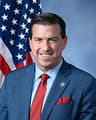
D· California
YRS IN OFFICE
3
BILLS LED
32
COSPONSOR BREAKDOWNBIPARTISAN · 0%
DEM 10 REP 0 IND 0
ACTION TIMELINE
2 EVENTSSEP 30
Introduced in House
SEP 30
Referred to the Committee on Financial Services, and in addition to the Committee on Science, Space, and Technology, for a period to be subsequently determined by the Speaker, in each case for consideration of such provisions as fall within the jurisdiction of the committee concerned.
BILL INFO
TypeHouse Bill
NumberHR 5650
Congress119th
StatusIn Committee
IntroducedSep 30, 2025
Last actionSep 30, 2025
READER REACTIONS
OVERALL SENTIMENT
No reactions yet. Be the first to weigh in.
Discussion
Loading comments...
IN COMMITTEE· 119TH CONGRESS · SCIENCE, SPACE, AND TECHNOLOGY COMMITTEE · INTRODUCED SEP 30, 2025
House BillHR 5650Environmental Protection
Weatherization Resilience and Adaptation Program Act
INTRODUCED SEP 30, 2025· LAST ACTION SEP 30, 2025
PASSAGE CHANCES
—%
READING
9 min
COSPONSORS
10
COMPLEXITY
Moderate